

Integrating Wireless Dental Headlights with Loupes for Maximum Precision
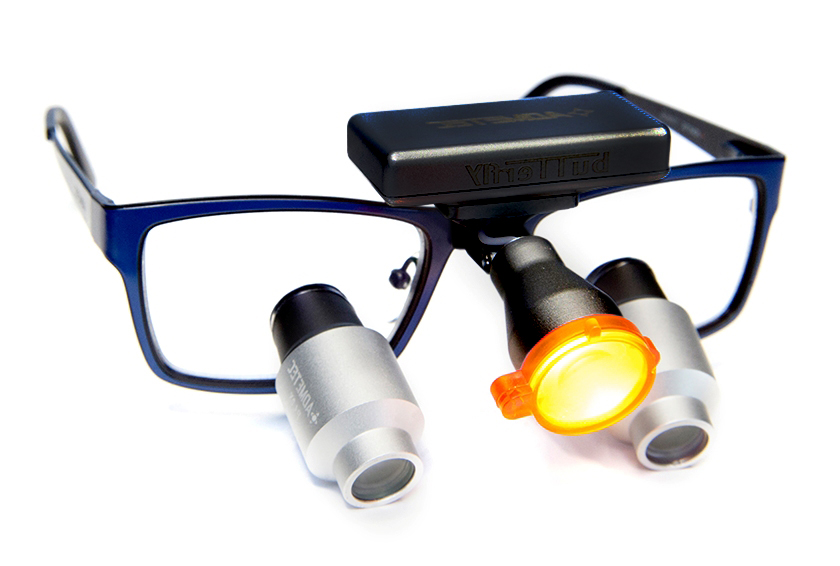
In modern dentistry, visibility and accuracy define the quality of care. The wireless dental headlight has become an essential part of this precision-driven workflow, especially when paired with high-quality dental loupes. Together, they form a seamless system that enhances focus, mobility, and overall treatment outcomes.
This integration not only illuminates the working area but also transforms how dental professionals perform intricate procedures, providing consistent, shadow-free lighting without the limitations of cords or bulky power packs.
Why Combine a Wireless Dental Headlight with Loupes?
The combination of wireless dental loupe light and magnification gives clinicians an edge in precision dentistry. While loupes magnify the treatment field, the headlight ensures it remains evenly illuminated. Without clear lighting, even the best loupes can fall short.
Key advantages include:
-
Consistent illumination of the operating field minimizes eye strain.
-
True color rendering for better tissue differentiation and accurate diagnosis.
-
Ergonomic posture allows clinicians to maintain comfort during long procedures.
-
Increased efficiency, with fewer interruptions to adjust external lighting sources.
By merging these two technologies, dental professionals achieve the clarity and control necessary for restorative, surgical, and cosmetic procedures.
The Shift to Wireless Systems in Dentistry
Traditional wired headlights were functional but often cumbersome. Power cords could tangle or restrict movement, leading to unnecessary distractions. The shift toward wireless dental loupe light systems represents a major improvement in ergonomics and workflow efficiency.
Modern wireless systems integrate lightweight battery modules directly onto the loupe frame or headband. This design eliminates external battery packs and cords entirely, allowing the clinician to move freely while maintaining bright, stable illumination.
Benefits of Going Wireless
-
Unrestricted mobility – No cords or tethers to manage during procedures.
-
Balanced weight distribution – Evenly placed components reduce neck and shoulder strain.
-
Streamlined workflow – Quick setup, fewer adjustments, and uninterrupted focus.
-
Enhanced hygiene – No wires or battery packs to disinfect between patients.
-
Simplified maintenance – Wireless setups often use rechargeable batteries with clear indicators, minimizing equipment downtime.
Wireless systems are more than a convenience, they’re a practical solution for modern dental practice environments where efficiency and safety are top priorities.
Features That Define the Best Dental Headlight
When evaluating the best dental headlight, clinicians should look for features that enhance precision and comfort without compromising reliability.
|
Feature |
Description |
Why It Matters |
|
Brightness Control |
Adjustable intensity settings |
Allows customization for different procedures |
|
Color Temperature |
Neutral white light (around 5500K) |
Provides true color rendering for accurate diagnosis |
|
Battery Life |
6–12 hours on a single charge |
Supports a full day of work without recharging |
|
Weight |
Less than 50 grams |
Reduces strain during prolonged use |
|
Mounting Options |
Compatible with various loupes |
Offers flexibility and universal fit |
|
Charging Dock |
Fast, easy recharging |
Minimizes downtime between uses |
Selecting a headlight that meets these standards ensures long-term performance and clinical reliability.
Workflow Improvements Through Integrated Lighting
The integration of loupes and dental LED headlight systems enhances more than visibility—it redefines how efficiently dental teams operate.
Here’s how integrated lighting improves workflow:
-
Streamlined Preparation: With wireless systems, there are no cords to untangle or connect. Setup time is reduced, allowing the clinician to move directly into treatment.
-
Consistent Illumination: The light moves with the user’s line of sight. This ensures that every detail remains visible, even as the angle of view changes.
-
Reduced Eye Fatigue: Consistent, even light distribution helps maintain visual clarity without strain, even during long procedures.
-
Better Patient Experience: Patients benefit from shorter treatment times and fewer interruptions since the clinician works more efficiently.
-
Improved Team Coordination: With fewer external light sources to adjust, assistants can focus on supporting procedures rather than managing equipment.
Integrated lighting also contributes to greater overall clinic organization. The reduced clutter of wires and external devices keeps operatories clean and professional-looking, an important factor for patient perception and infection control standards.
Examples of Modern Wireless Systems
Several advanced wireless lighting systems now set the standard for precision dentistry:
-
Schultz Wireless LED Headlight System – Known for its lightweight design and long-lasting battery, it delivers bright, uniform illumination ideal for all dental disciplines.
-
Orascoptic Spark™ – A compact light that clips directly onto loupes with an integrated rechargeable battery for consistent brightness.
-
Q-Optics Radiant Wireless Light – Offers up to 12 hours of continuous operation and adjustable brightness control.
-
Designs for Vision DayLite® Wireless – Provides natural white light with easy, touch-free control for maximum convenience.
Each of these systems shares a focus on mobility, balanced ergonomics, and consistent illumination—all essential qualities for clinical precision.
Choosing the Right Wireless Dental Loupe Light
Selecting the right system involves considering both your working style and the demands of your practice.
Key considerations include:
-
Compatibility with your existing loupes
-
Battery performance for your procedure schedule
-
Brightness control for various lighting environments
-
Ease of maintenance and sterilization
-
Warranty and support from the manufacturer
Investing in a system that aligns with your workflow ensures long-term value and dependable performance. Additionally, consider trying different mounting options or light angles before finalizing a purchase. Even subtle adjustments in placement can significantly improve comfort and illumination coverage.
The Future of Illumination in Dentistry
Advancements in LED and battery technology continue to improve the performance of wireless dental headlights. Today’s models deliver higher brightness levels with minimal heat, longer battery life, and advanced color rendering accuracy.
As digital dentistry expands, precision lighting will remain a cornerstone of clinical excellence, helping practitioners maintain accuracy in 3D scanning, restorative design, and surgical guidance.
The trend is clear: wireless, ergonomic, and efficient systems will define the next generation of dental illumination tools. As these technologies evolve, dentists can expect even lighter, smarter, and more customizable lighting options that adapt perfectly to their working preferences.
Conclusion: Precision Starts with Clear Vision
Integrating wireless dental headlight systems with loupes has transformed clinical precision, comfort, and efficiency. This simple yet powerful upgrade gives dental professionals the clarity they need to perform at their best, without the weight or distraction of cords and external packs.
If you’re ready to experience the benefits of advanced, cordless illumination, explore Schultz Loupes’ collection of high-performance headlights and loupe lights. They offer some of the best dental headlight options available, designed for reliability and long-lasting comfort.
Visit Schultz Loupes to find the perfect lighting solution for your practice.