

Top 15 Questions and Answers About Dental Loupes
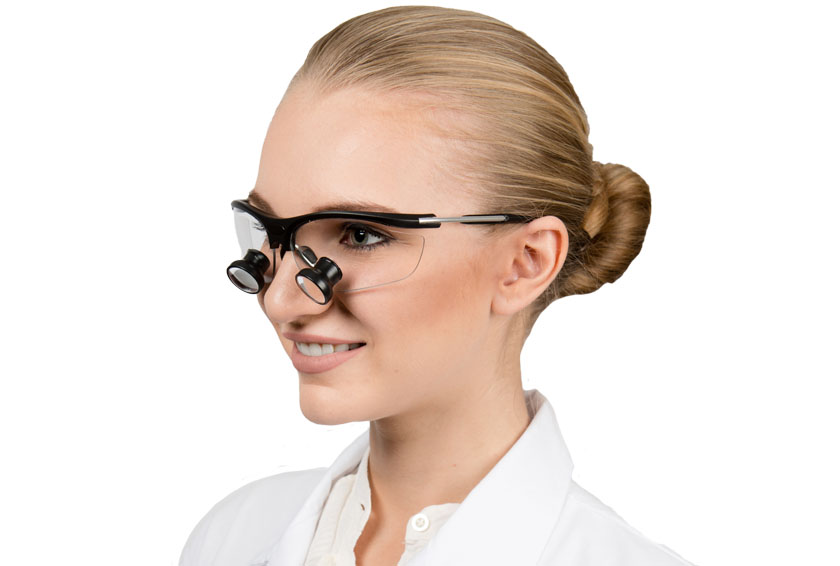
Dental loupes are one of the most important tools in modern dentistry. They enhance vision, reduce physical strain, and improve clinical outcomes through improved precision. Whether you're a dental student just getting started or a seasoned clinician aiming to improve your ergonomics and diagnostic capabilities, understanding how dental loupes function and how to select the right pair is essential. This dental loupes FAQ covers the most common and most important questions about dental loupes. It's your go-to beginner guide to dental loupes, helping you navigate the overwhelming number of choices and considerations.
1. What are dental loupes?
Dental loupes are specialized magnifying devices mounted on eyeglasses or headgear. Designed to enhance visibility, they allow dental professionals to clearly see the fine details of oral structures during procedures. From general cleanings to root canals and implants, dental loupes provide a level of precision that the naked eye cannot achieve alone. They’re also used in dental hygiene, oral surgery, and cosmetic dentistry.
2. Why do dentists use loupes?
Dentists use loupes to enhance their ability to work accurately and efficiently. By magnifying the treatment area, they can detect early signs of decay, perform more refined work, and improve the overall quality of care. Additionally, loupes promote better posture by allowing clinicians to maintain a healthy head and neck angle while working—reducing the long-term risk of musculoskeletal disorders.
3. What magnification levels are available?
Dental loupes generally offer magnification levels from 2.0x to 6.0x. The most commonly used levels are 2.5x and 3.0x, striking a balance between enhanced detail and a wide field of view. Higher magnification, like 4.0x and above, is typically reserved for specialized procedures such as microsurgery or endodontics. However, higher magnification can introduce more eye strain and limit your depth perception if not used properly.
4. Are higher magnifications always better?
Not necessarily. While a higher magnification provides better visibility of small areas, it also comes with trade-offs, such as a smaller field of view, a narrower depth of field, and reduced peripheral vision. These factors can slow down procedures and lead to eye fatigue if not managed correctly. For most users, moderate magnification offers the best compromise between clarity and comfort.
5. What types of loupes are there?
Dental loupes come in two main optical designs: Galilean and Prismatic (Keplerian). Galilean loupes are compact, lightweight, and ideal for general use and beginners. Prismatic loupes use more complex optics to deliver sharper images and higher magnification. They are often favored by specialists or users seeking more precise visualization. Some manufacturers also offer hybrid systems that combine elements of both.
6. How are dental loupes mounted?
Loupes can be mounted in two main ways: through-the-lens (TTL) and flip-up. TTL loupes are built directly into the eyeglass lens and are usually more ergonomic, lightweight, and customized to the user. Flip-up loupes attach to the frame via a hinge, allowing users to pivot them out of the way. Flip-ups are versatile and adjustable but tend to be bulkier and heavier.
7. What is the working distance?
Working distance refers to the space between your eyes and the treatment area when you're in an optimal ergonomic position. Getting this distance right is crucial, as it affects both your posture and visual performance. Too short a distance can lead to hunching; too long, and you may overreach or lose image clarity.
8. How do I choose the right working distance?
To find your ideal working distance, you can measure it while sitting in your natural treatment posture, or better yet, consult with a loupe specialist. Most professionals fall within the 13" to 21" range. Choosing the wrong working distance can neutralize the ergonomic advantages of using loupes and even lead to new issues.
9. Can dental loupes help with posture?
Yes, significantly. Properly adjusted loupes promote a more upright and balanced head position, minimizing stress on the neck and back. Many dentists who use loupes consistently report fewer musculoskeletal issues and greater comfort during long procedures. Over time, this contributes to better career longevity and overall health.
10. Are loupes worth the investment?
Yes. While the upfront cost may seem high, dental loupes are an investment in your vision, posture, and clinical performance. Over time, they can reduce physical fatigue, prevent injury, and even enhance your reputation through improved work quality. Many dental schools and employers offer discounts or financing options to make them more accessible.
11. What should I look for in loupe frames?
Comfort and durability are critical. Look for frames made from lightweight materials such as titanium or carbon fiber. Adjustability and prescription compatibility are also important. The frame should fit securely without causing pressure points, especially during long procedures. Some frames are designed specifically for those with smaller or larger facial features, so choose accordingly.
12. How important is headlight integration?
Extremely important. A loupe-mounted LED headlight provides consistent, shadow-free illumination that enhances visibility, especially in deep or dark oral cavities. Built-in lighting eliminates dependence on overhead operational lights, offering more flexibility and better control. Most professionals find that a headlight drastically improves their working conditions.
13. Can I use dental loupes with glasses?
Yes. For those with vision correction needs, there are several solutions. TTL loupes can be custom-built with your prescription integrated directly into the lenses. Alternatively, flip-up loupes can be mounted over your existing glasses. Some manufacturers also offer clip-on solutions or interchangeable lenses.
14. Do loupes require maintenance?
Yes. Keeping your loupes clean and well-maintained is essential for preserving clarity and extending their lifespan. Use lens-safe cleaning solutions and microfiber cloths. Avoid touching the optics directly. Store them in a padded, protective case when not in use to prevent scratches, dust buildup, or accidental damage.
15. Where can I buy reliable dental loupes?
Choose a reputable provider that offers excellent customer service, thorough customization options, and a strong warranty. Brands that specialize in dental optics tend to deliver better product quality and technical support. Look for companies with a solid track record and real-world reviews from other dental professionals.
Conclusion
Dental loupes are more than just magnifying devices—they're critical tools for improving clinical precision, enhancing ergonomics, and extending career longevity. The questions about dental loupes we've answered here are just the start. The more informed you are, the better equipped you'll be to make a smart investment that fits your practice and lifestyle.
If you're ready to take the next step or want expert help in choosing the right loupe system, visit Schultz Loupes. With options for beginners and pros alike, one-on-one consultations, and customization services, they’ve earned their reputation as a leading provider. Start your loupe journey with confidence and clarity.