

The Hygienist’s Buying Guide: Lightweight vs. High-Magnification Loupes
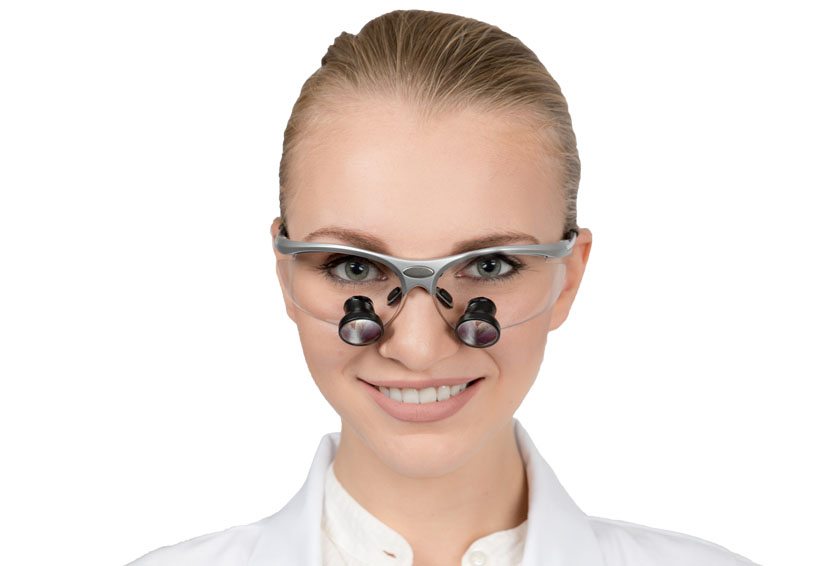
When it comes to dental hygiene, precision and comfort are equally important. Hygienists spend long hours leaning over patients, working in tight spaces, and focusing on tiny details. The right dental loupes can make all the difference, reducing strain, improving accuracy, and ultimately supporting better patient care. This dental loupes buying guide compares two major considerations for hygienists: lightweight loupes and high magnification dental loupes. Understanding the trade-offs will help you decide which option best fits your practice and long-term comfort.
Why Loupes Matter for Hygienists
Before comparing lightweight versus high-magnification designs, it’s worth emphasizing why loupes are essential. Loupes enhance visibility by magnifying the oral cavity, allowing hygienists to detect issues earlier and perform procedures with greater precision. They also improve posture, which reduces the risk of neck and back pain.
For hygienists, the choice of a loupe is not just about performance. It directly affects long-term ergonomics, daily comfort, and the quality of care delivered to patients.
The Case for Lightweight Dental Loupes
Comfort Above All
Lightweight dental loupes for hygienists are designed with comfort as the priority. Many hygienists wear their loupes for six to eight hours daily. Even a few extra ounces can lead to fatigue and discomfort. Lightweight frames reduce pressure on the nose bridge and ears, making it easier to maintain focus during long procedures.
Ideal for Long Workdays
If your schedule involves back-to-back patients, lightweight loupes minimize cumulative strain. They are also more manageable for hygienists new to magnification in dental loupes, easing the adjustment period.
Trade-Offs of Lightweight Loupes
While lightweight designs excel in comfort, they usually offer lower magnification. Most range between 2.0x and 3.0x. This is sufficient for scaling, polishing, and routine assessments, but may not be ideal for spotting extremely fine details.
In other words, lightweight loupes favor all-day wearability but may sacrifice the highest levels of visual clarity.
The Case for High Magnification Dental Loupes
Precision and Detail
High magnification dental loupes, often in the 3.5x to 5.0x range, provide unmatched clarity. They allow hygienists to identify micro-deposits of calculus, cracks, or early-stage lesions that might be missed with lower magnification. For hygienists who prioritize detection accuracy and fine detail, higher magnification is invaluable.
Professional Growth
Choosing dental loupes for hygienists with higher magnification can also support career development. If you work closely with periodontists or assist in procedures that demand exceptional accuracy, investing in higher magnification ensures you can meet those standards.
Trade-Offs of High Magnification
The downside of higher magnification is added weight and a narrower field of view. Loupes with stronger magnification require heavier optics and can be more challenging to adapt to. Some hygienists may find that prolonged use leads to fatigue.
Lightweight vs. High Magnification: How to Decide
Choosing between lightweight and high magnification dental loupes comes down to balancing comfort and clarity. Below are key factors to consider:
1. Your Daily Workload
If you see a high volume of patients in quick succession, lightweight loupes may serve you better. They allow you to work long hours without discomfort and help maintain steady performance throughout the day. Hygienists who manage tight schedules often find that lighter designs reduce fatigue and improve consistency.
If your practice emphasizes complex cases or early detection of micro issues, high magnification dental loupes may give you the edge you need. The added clarity ensures you can spot details quickly, even during demanding procedures.
2. Your Experience Level
For hygienists new to loupes, starting with lightweight, lower-magnification models is often recommended. This helps build comfort and good ergonomic habits without overwhelming the user. It also allows time to adjust to the shift in posture and vision that loupes introduce. Once you are accustomed, upgrading to higher magnification may feel more natural and less intimidating.
3. Ergonomics and Posture
Lightweight loupes reduce physical strain, making them a good fit if posture and musculoskeletal health are top concerns. For many hygienists, this factor alone influences the decision, since long-term back or neck issues can shorten a career. On the other hand, higher magnification may improve visual ergonomics, reducing eye strain at the expense of physical comfort.
4. Budget Considerations
Cost is also a factor. Higher magnification dental loupes often come with a higher price tag, reflecting the complexity of the optics and the durability of the build. Lightweight options are typically more affordable, making them accessible for hygienists starting out or for those purchasing their first pair. Choosing carefully ensures that your investment aligns with both immediate and future professional needs.
The Middle Ground: Finding Balance
Some hygienists look for a balance between the two extremes. For example, selecting 2.5x to 3.0x magnification in dental loupes offers enough detail for most hygiene tasks while still being lightweight enough for all-day wear. This compromise works well for those who want clarity without sacrificing comfort.
It’s also worth considering additional features such as headlight integration or ergonomic frame design. A loupe that balances magnification, weight, and added functionality often provides the best long-term return on investment.
Practical Tips for Choosing Dental Loupes for Hygienists
- Try Before You Buy: If possible, test different models to feel the weight difference and assess magnification clarity.
- Focus on Fit: A well-fitted pair of loupes distributes weight evenly and minimizes strain.
- Think Long-Term: Consider how your career may evolve. Starting with lightweight loupes and later investing in high magnification models can be a practical approach.
- Evaluate Warranty and Support: Quality loupes are an investment. Ensure the manufacturer provides good customer support and a strong warranty.
- Seek Peer Feedback: Ask colleagues about their experience with specific brands and magnification levels. Real-world feedback is often more useful than product specs alone.
Conclusion: Making the Right Choice
There is no universal answer in the debate between lightweight and high magnification dental loupes for hygienists. Your decision depends on how you balance comfort, precision, and long-term career goals. Lightweight models prioritize wearability, while high magnification models emphasize detail and diagnostic accuracy.
When choosing dental loupes for hygienists, consider your daily workflow, ergonomics, and budget. The best dental loupes for hygienists are ultimately the ones that support your practice style and keep you performing at your best.
If you are ready to take the next step, explore the range of hygienist loupes from Schultz Loupes. They offer lightweight and high-magnification options designed with both comfort and clarity in mind. Learn more at Schultz Loupes.