

Troubleshooting Loupe Alignment: Say Goodbye to Double Circles
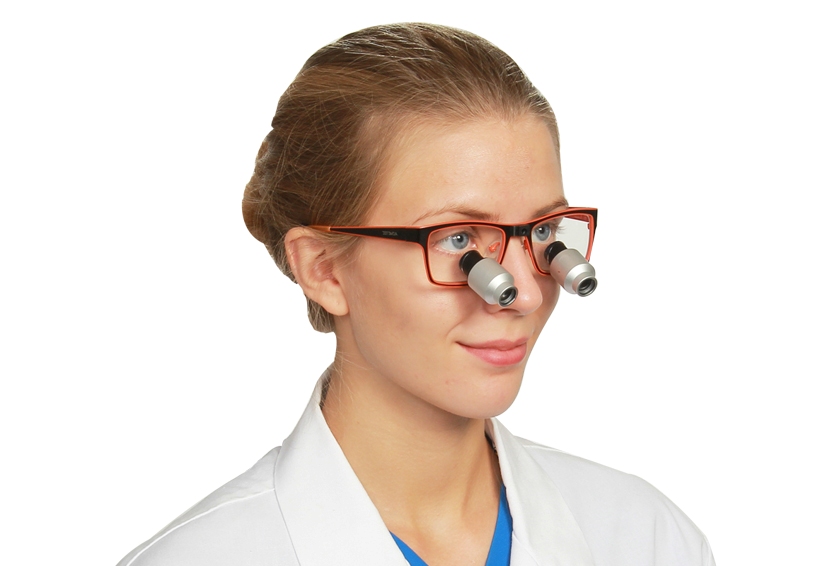
Dental loupes are indispensable in clinical settings. They help dental professionals achieve exceptional visual clarity, support better posture, and reduce overall fatigue during procedures. However, if you're noticing double circles or experiencing what’s often described as dental loupe double vision, there's a strong chance your loupes are misaligned. This issue can interfere with your accuracy, efficiency, and physical comfort. Fortunately, it’s a fixable problem.
This comprehensive guide will walk you through how to align dental loupes, identify common issues, and fix misaligned loupes efficiently. By the end, you’ll be able to troubleshoot loupe alignment with confidence and eliminate those frustrating double circles in loupes.
Why Loupe Alignment Matters
When your dental loupes are aligned correctly, both eyes merge two images into one clear, centered view. This alignment is critical to maintaining sharp focus, especially during detailed work. However, when alignment is off, you may see overlapping fields of view—what many describe as double circles in loupes. This misalignment leads to distraction and inefficiency and can cause eye strain or headaches during extended use.
Consistent loupe alignment is not just a matter of visual clarity. It's also about ergonomics. Misalignment often causes users to adopt unnatural head positions or tilt their necks in order to see clearly, which, over time, can lead to musculoskeletal issues.
Fortunately, alignment problems are often due to minor issues such as accidental bumps, gradual loosening of components, or a suboptimal initial setup. Knowing how to align dental loupes correctly from the start helps you avoid recurring issues and maintain peak performance.
Common Signs of Misalignment
Recognizing the symptoms of misalignment is the first step toward correction. You may have misaligned loupes if you notice any of the following symptoms:
- Two separate or overlapping circular viewing fields
- Difficulty focusing or merging the two images into one
- Constant adjustment of your head or eye position to see clearly
- Blurry central vision despite cleaning your lenses
- Eye fatigue, dizziness, or headaches after short periods of use
These issues typically stem from unsynchronized optical barrels or incorrect interpupillary distance (IPD). Ignoring these signs can lead to chronic discomfort and reduced work quality. Early identification and correction are essential.
How to Align Dental Loupes: Step-by-Step
-
Set Up in a Controlled Environment
Start in a well-lit room with a stable object in front of you, such as a printed document or a dental model. Sit in your usual working posture to simulate real-world conditions as closely as possible. -
Adjust Interpupillary Distance (IPD)
IPD is the horizontal distance between the centers of your pupils. To align your loupes: -
Grasp the frame with both hands.
Slowly move the ocular barrels closer together or farther apart.
Continue adjusting until the two circular fields fuse into a single, clear image.
This process may take a few moments, especially if your eyes are adjusting after a misalignment. -
Fine-Tune Barrel Angles
Even with correct IPD, slight angle discrepancies can cause dental loupe double vision: -
Individually adjust each barrel inward or outward.
Focus on a small, central target like a dot or letter.
Make micro-adjustments until the view is crisp and both images seamlessly overlap.
Check Vertical Alignment
Not all alignment issues are horizontal. If one barrel is tilted higher or lower, vision can still be affected. Make sure both barrels are level and aligned vertically with your eyes. -
Secure All Adjustments
Many loupes come with locking mechanisms or tension adjustments to keep settings in place. Make sure these are secure after achieving proper alignment. -
Test with Simulated Tasks
Put your loupes to the test by performing typical tasks—reading, examining a dental model, or practicing mock procedures. If the image stays stable and your eyes feel comfortable, the alignment is likely correct.
Loupe Alignment Troubleshooting Tips
Even after learning how to align dental loupes, occasional issues may arise. Here are practical steps to help fix misaligned loupes:
- Clean the Lenses Regularly: Even minor smudges or dust can distort your vision. Use lens-specific wipes to clean your optics before and after each use.
- Inspect the Frame: A bent or uneven frame can throw off alignment. Check that the frame sits evenly on your face and that the temples aren’t warped.
- Realign After Drops or Pressure: Even slight impacts can disrupt previous settings. Make it a habit to recheck alignment after any physical incident.
- Involve a Colleague: Another set of eyes can help identify inconsistencies you may have adapted to unconsciously.
- Document Your Settings: If your loupes have adjustable components, consider recording your IPD and barrel angles for future reference.
When to Call for Professional Support
If you've tried all available loupe alignment troubleshooting methods and still experience issues, it may be time to seek professional help. Manufacturers like Schultz Loupes offer dedicated customer service and technical support for persistent problems.
Situations that may require professional intervention include:
- Persistent double circles in loupes despite multiple adjustments
- Barrels that won’t stay in place or seem mechanically faulty
- Frame damage that affects how the loupes sit on your face
- Optical distortions due to unique vision needs like uneven astigmatism
Contacting the manufacturer not only ensures proper diagnosis but may also protect your warranty.
Prevention: Keeping Your Loupes in Check
Once your loupes are properly aligned, regular maintenance is key to long-term reliability. Consider these best practices:
- Use a Hard-Shell Case: Always store your loupes in a protective case when not in use. This prevents accidental compression or impact damage.
- Avoid Excessive DIY Adjustments: Unless you're adjusting IPD or barrel angle, leave structural repairs to trained technicians.
- Schedule Annual Inspections: Just like any precision instrument, loupes benefit from routine checkups to ensure optimal function.
- Handle with Care: Put on and remove your loupes gently, using both hands to avoid unintentional twisting or pressure.
- Train New Users: If sharing loupes or training students, ensure everyone knows how to align and care for them properly.
Conclusion: Invest in Precision, Protect Your Vision
Misaligned loupes are more than an inconvenience. They disrupt clinical performance and impact your physical comfort. By understanding how to align dental loupes and taking a proactive approach to loupe alignment troubleshooting, you can ensure sharp vision and optimal working conditions.
If your current loupes aren't delivering the clarity and comfort you need, it might be time to consider an upgrade. Schultz Loupes offers high-precision dental and surgical loupes designed with ergonomic stability and easy adjustment in mind. Explore their lineup to find a loupe system that keeps your vision—and your performance—sharp.
Say goodbye to double circles and hello to clarity.