

How to Test Fit and Field of View to Find the Dental Headlight That Actually Works
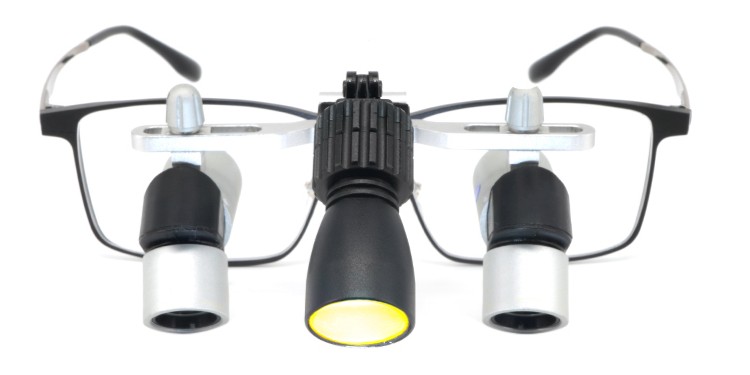
Choosing a dental headlight is not about chasing specs or buying what looks impressive on paper. It is about how the light fits your body and how clearly it illuminates your working area hour after hour. A poorly fitted light or an incorrect field of view leads to neck strain, eye fatigue, and missed details. That is why testing fit and the field of view matter more than any feature list.
Within the first few minutes of wearing a dental headlight, you should know whether it supports your posture and visual needs or works against them. This guide explains exactly how to test both fit and field of view so you can choose a solution that improves precision and comfort in real clinical conditions.
Why Fit and Field of View Matter More Than Brightness
Brightness alone does not define a good dentist headlight. A powerful beam that shifts, creates glare, or forces you to lean forward will reduce accuracy and increase fatigue. Fit determines stability. The field of view determines how well the light supports natural eye movement.
When these two factors work together, you stop thinking about the light entirely. That is the goal. Schultz Loupes designs every system around this principle, which is why their headlights integrate cleanly with loupes and maintain alignment throughout the day.
How to Test Fit When Choosing a Dental Headlight
Fit affects posture, comfort, and consistency. Testing fit should never be rushed.
Start with weight distribution
A well-fitted dental headlight feels balanced. The weight should sit close to your face, not pulling forward or downward. If you feel pressure on the bridge of your nose or tension in your neck after a few minutes, the fit is wrong.
Wireless options are especially important here. A wireless dental loupe light removes the pull and drag caused by cords and battery packs, allowing for more natural movement. When testing fit, simulate real procedures. Lean in, rotate your head, and sit back. The light should stay in place without adjustment.
Check mounting stability on loupes
The headlight mount must align securely with your loupe frame. Look for any wobbles when you move your head side to side. Even small shifts become frustrating during detailed procedures.
Schultz Loupes designs mounts that integrate precisely with their loupe systems, reducing movement and keeping the beam aligned with your line of sight. This alignment is critical for maintaining consistent illumination without conscious correction.
Test comfort over time, not minutes
Fit testing should last at least 20 to 30 minutes. Short tests do not reveal pressure points or fatigue. Wear the light while seated and standing. A dentist headlight should feel just as comfortable at the end of a procedure as it did at the beginning.
How to Evaluate the Field of View in a Dentist Headlight
The field of view determines how much of the oral cavity is evenly illuminated without constant head movement.
Match the beam to your working distance
Your working distance determines where the light should converge. The beam should be focused exactly where your eyes naturally rest. If the brightest area is above or below your focal point, you will compensate by adjusting posture.
When testing the field of view, position yourself as you would during an actual procedure. Look into the mirror or operative light reflection and confirm the beam centers on your treatment area. A properly designed LED surgical headlight will offer adjustable focus to match your preferred distance.
Look for even edge-to-edge illumination
A narrow hotspot forces constant repositioning. A beam that is too wide wastes light and reduces contrast. The best dental headlight provides a clean, evenly lit field with soft edges that fade naturally.
Move your eyes, not your head. You should be able to scan the working area without losing illumination. This is where high-quality surgical headlights outperform generic lighting solutions.
Test shadow control
Shadows hide details. Evaluate how the light performs when instruments enter the field. The beam should minimize shadowing and maintain visibility around hands and tools.
This is especially important during restorative and surgical procedures where depth perception matters. A well-designed LED surgical headlight maintains clarity even in challenging angles.
Comparing Wired vs Wireless During Field Testing
Wired systems often restrict movement and subtly pull the light out of alignment. During testing, note how often you feel the need to reposition the beam.
A wireless dental loupe light allows unrestricted movement and consistent alignment. This becomes more noticeable during longer procedures. Schultz Loupes focuses heavily on wireless balance and battery placement to support an uninterrupted workflow.
What Separates the Best Dental Headlight From the Rest
The best dental headlight is the one that disappears once you start working. It does not demand attention, adjustment, or compensation.
Look for these signs during testing:
- The beam follows your eyes naturally
- Your neck remains upright without strain
- Illumination stays consistent as you move
- You forget the light is there
Schultz Loupes designs its systems with these real-world indicators in mind, not just lab measurements.
Why Testing Should Happen Before You Buy
Every clinician works differently. Chair height, patient positioning, and procedure type all influence lighting needs. That is why testing fit and the field of view is essential before committing.
If you want a deeper look at why modern lighting design matters and how it affects clinical outcomes, read this detailed guide on why upgrading to a dental LED headlight matters. It explains how advances in optics and ergonomics translate into better daily performance.
Choosing the Right Solution at Schultz Loupes
When you are ready to select your system, start with the fundamentals. Fit and field of view should guide every decision. Specs, battery life, and brightness only matter after these basics are right.
Schultz Loupes offers purpose-built solutions designed specifically for dental professionals who demand consistency and comfort. If you are evaluating options, explore the full range of dental headlight systems designed to integrate seamlessly with your workflow.
Final Thoughts
A dental headlight is not just an accessory. It is a clinical tool that directly affects accuracy, comfort, and long-term health. Testing fit and field of view is the most reliable way to find a solution that supports your work instead of complicating it.
Take the time to test properly. Your posture, vision, and patients will all benefit.