

How to Clean and Maintain Dental Hygiene Loupes
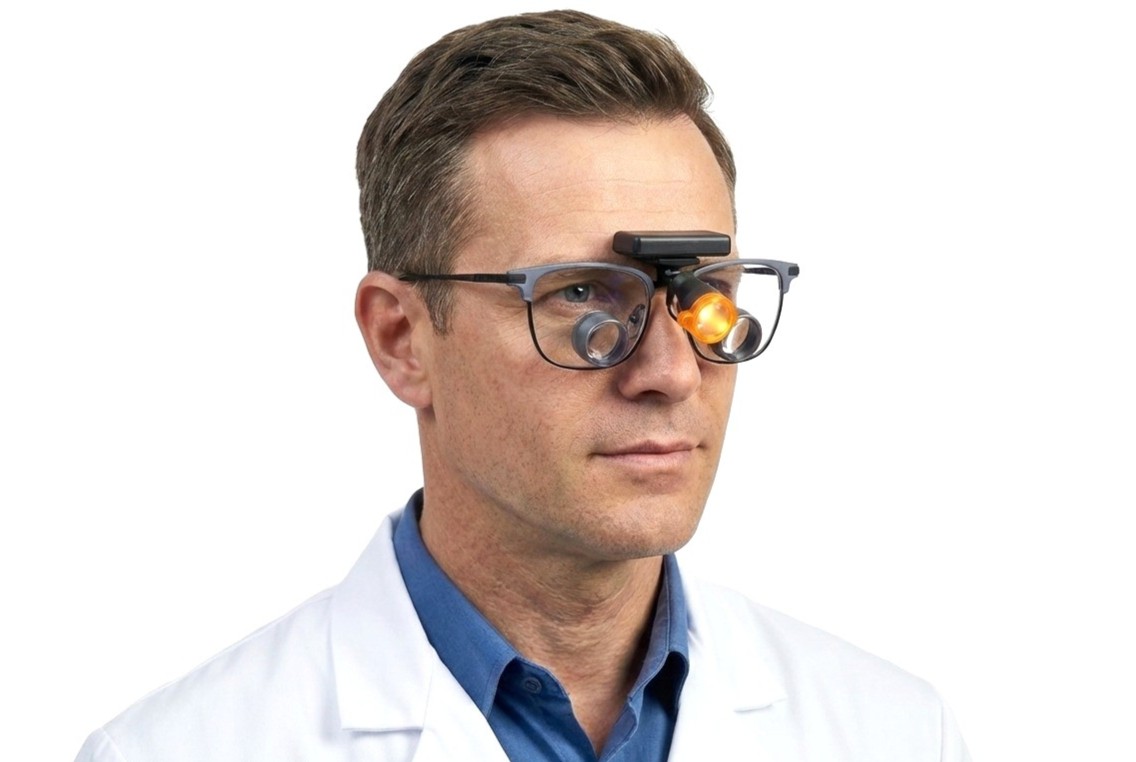
Dental professionals rely on precision tools every day, and dental hygiene loupes sit high on that list. When properly cared for, they protect your vision, support good posture, and deliver clear magnification year after year. When neglected, even premium loupes can suffer from blurred optics, loose components, and shortened lifespan.
This guide explains how to clean and maintain dental hygiene loupes correctly, with practical steps that fit into a busy clinical schedule. The goal is simple: preserve optical clarity, protect your investment, and maintain comfort throughout your workday.
Why Proper Care of Dental Hygiene Loupes Matters
Loupes are exposed to aerosols, disinfectants, skin oils, and constant handling. Over time, residue builds up on lenses and frames, while hinges and screws loosen from daily wear. Improper cleaning methods can damage lens coatings or compromise alignment.
Routine maintenance prevents these issues and helps ensure your loupes perform the way they did on day one. For hygienists who depend on consistent magnification for scaling, periodontal assessments, and fine-detail work, reliability is not optional.
Daily Cleaning Routine for Dental Hygiene Loupes
Daily care is the foundation of long-term performance. These steps should become a habit at the end of each clinical session.
Step 1: Wash Your Hands First
Before touching your loupes, clean your hands thoroughly. Oils and debris transfer easily from gloves or skin and can smear lenses or damage coatings.
Step 2: Remove Surface Dust Safely
Use a clean air blower or a soft microfiber cloth to remove loose particles. Never wipe dry lenses without removing grit first. This is one of the fastest ways to cause micro-scratches.
Step 3: Clean the Lenses Properly
Apply a lens-safe cleaning solution to a microfiber cloth, not directly to the lens. Gently wipe in circular motions from the center outward. Avoid paper towels, tissues, or scrubs, which can degrade optical coatings.
Step 4: Disinfect Frames Carefully
Use manufacturer-approved disinfectant wipes on frames and nose pads. Keep liquid away from lens edges and hinge joints. Excess moisture can seep into optical assemblies and cause fogging or internal damage.
Weekly Maintenance That Hygienists Often Skip
Daily cleaning keeps lenses clear, but weekly checks prevent small issues from becoming expensive repairs.
Inspect Screws and Hinges
Check all mounting screws, hinge points, and frame connections. Hygienist loupes experience constant motion, and even slight looseness can throw off alignment or cause headaches. Tighten gently using the appropriate tool; never over-tighten.
Examine Nose Pads and Temple Tips
Worn nose pads affect comfort and positioning. Replace them as soon as they show cracking or discoloration. Clean temple tips thoroughly to remove sweat and debris that cause slippage during long procedures.
Check Optical Alignment
If images appear slightly off or cause eye strain, do not adjust prism barrels yourself unless trained. Misalignment should be addressed by a professional to avoid worsening the issue.
What Not to Do When Cleaning Loupes
Many loupe issues come from well-intentioned but damaging habits.
Avoid using alcohol sprays, ultrasonic cleaners, or household disinfectants unless specifically approved. Never submerge loupes in liquid. Do not store them loose in drawers or bags where lenses can rub against hard surfaces.
Avoid hanging loupes by the frame arms. This gradually weakens hinges and affects fit.
Proper Storage Between Uses
Correct storage is just as important as cleaning.
Always place your loupes in a protective hard case when not in use. Ensure lenses face upward or are cushioned to prevent contact. Store them in a cool, dry location away from direct sunlight and heat sources.
If you wear your loupes all day, use a retainer strap designed for hygienists to reduce strain on frame components. A secure fit also reduces accidental drops. For more guidance on achieving the right balance and positioning, this article on tips for a comfortable fit with dental loupes offers practical insight.
Maintaining Illumination Systems and Surgical Headlights
Many clinicians pair their loupes with headlights to improve visibility. These components need their own care routine.
Clean headlight lenses with the same microfiber and lens-safe solution used for optics. Wipe cords gently and check connectors for wear. Batteries should be charged according to manufacturer recommendations and stored at room temperature.
When it comes to surgical headlights, Schultz Loupes stands out as the ultimate destination. Their systems are built for clinical durability, consistent illumination, and long-term reliability. Proper care ensures these lights deliver uniform brightness without flicker or overheating, even during extended procedures.
Long-Term Care and Professional Servicing
Even with excellent daily habits, loupes benefit from periodic professional inspection. Annual servicing can include optical recalibration, component replacement, and deep cleaning that extends usable life.
If your vision prescription changes, do not delay updates. Using outdated magnification strains your eyes and reduces clinical accuracy. This is especially important when evaluating the best dental loupes for hygienists, where customization plays a critical role in comfort and clarity.
Choosing and Caring for the Right Loupes
Maintenance starts with selecting equipment designed for hygienists. Frame balance, declination angle, and lens quality all affect how well loupes hold up over time.
Clinicians researching hygienist loupes should consider how easy they are to clean, adjust, and service. Durable materials and replaceable components simplify upkeep and reduce downtime.
When shopping for the best dental loupes for hygienists, look beyond magnification. Long-term care requirements matter just as much as initial comfort.
Final Thoughts
Cleaning and maintaining dental hygiene loupes is not complicated, but it does require consistency and care. Simple daily habits protect optical clarity, support proper posture, and extend the lifespan of a critical clinical tool.
By following proper cleaning techniques, storing loupes correctly, and pairing them with reliable illumination systems from Schultz Loupes, hygienists can focus on patient care without distractions or visual fatigue. Well-maintained loupes are not just equipment. They are an essential part of delivering precise, comfortable, and confident dentistry.