

Why Dental Schools Are Rethinking Ergonomics for Gen-z Dentists
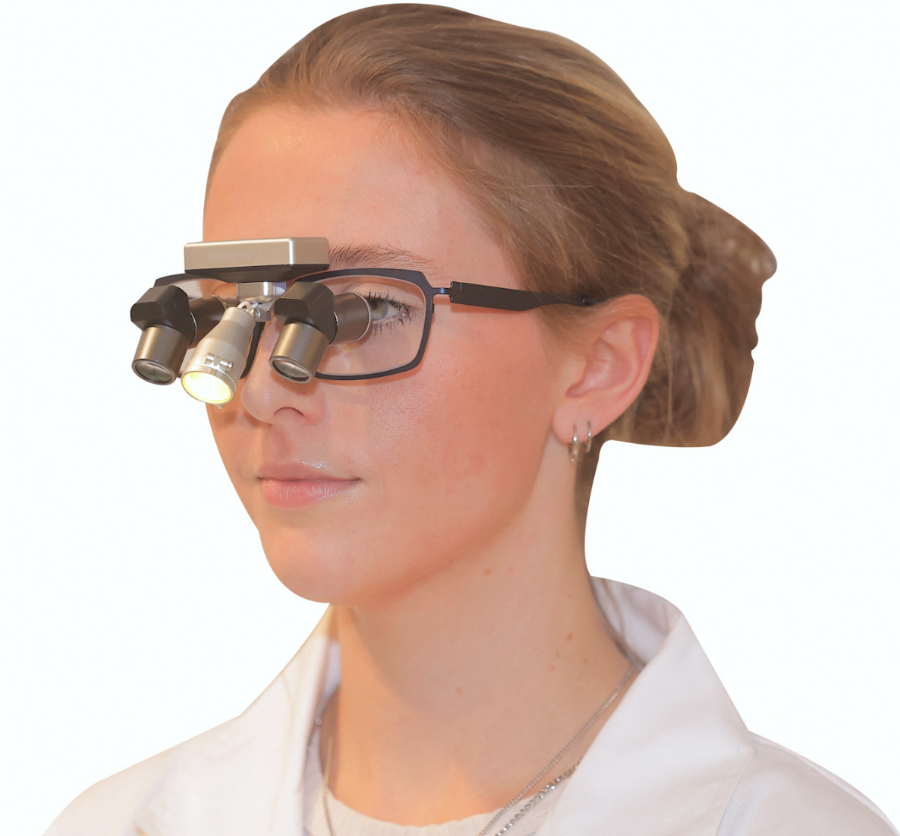
A significant shift is occurring in dental education. As a new generation enters the field, dental schools are recognizing that the traditional approach to posture and physical health is no longer sufficient. Gen Z students are arriving at dental school with different physical baselines than their predecessors, necessitating a complete overhaul of how dentist ergonomics is taught.
For decades, the focus was primarily on clinical precision. Today, faculty members understand that a student's ability to maintain a long career depends heavily on how they manage their body mechanics from day one. This realization is driving a curriculum redesign focused on prevention, technology, and the mandatory integration of advanced optical aids like ergonomic dental loupes.
The Generational Shift: Why Gen-Z Posture Is Different
The physical challenges facing current dental students are distinct from previous generations. While earlier cohorts might have developed poor posture over years of clinical practice, many Gen Z students enter dental school with pre-existing musculoskeletal imbalances. This is largely attributed to a lifestyle integrated with digital devices since childhood.
Anatomical observations suggest that the "tech neck" phenomenon is a primary concern. The constant downward gaze required by smartphones and tablets has altered the natural curvature of the cervical spine for many young adults. When this existing tendency meets the demands of dentistry, the risk of injury compounds immediately.
Factors contributing to this shift include:
-
Smartphone Neck: Prolonged periods of looking down at handheld devices have trained the neck muscles to hold the head in a forward position, increasing the load on the cervical spine.
-
Gaming Posture: Hours spent in non-ergonomic seating while gaming often lead to rounded shoulders and a collapsed chest, which mirrors the worst habits of poor clinical posture.
-
Forward Head Syndrome: This condition is increasingly common among incoming students, where the head sits anterior to the shoulders rather than directly above them.
-
Reduced Spine Endurance: A sedentary lifestyle associated with high screen time can lead to weaker core stabilizers, reducing the spine's endurance during long clinical procedures.
Why Traditional Ergonomics Training No Longer Works
Historically, ergonomics in dental school was often a brief module covered during the first year. Instructors would demonstrate the ideal neutral position, but enforcement was loose. This method operated on the assumption that students started with a "blank slate" regarding their posture.
That assumption is now obsolete. Traditional training fails the modern student because it does not account for the muscular memory they have already built.
-
Old methods were designed for previous generations: Standard instruction assumes a baseline of neutral posture that many modern students struggle to find without corrective aids.
-
Magnification training was often delayed: In the past, magnification was introduced later in the curriculum. Now, waiting allows bad habits to solidify.
-
No emphasis on micro-breaks or wearable tech: Older curriculums rarely focused on the active recovery or technological interventions necessary to counteract the strain of Gen Z dentistry posture.
New Ergonomics Strategies Dental Schools Are Adopting
To combat these risks, institutions are moving beyond simple lectures. They are implementing structural changes to the learning environment and equipment requirements.
Mandatory Ergonomic Loupes
The most effective change has been the requirement for magnification early in the curriculum. Schools are moving away from standard flip-ups and guiding students toward ergo loupes that enforce a neutral neck position. By mandating the use of deflection prisms, schools ensure that students cannot physically look down at a steep angle, effectively forcing them to maintain an upright posture.
Early Magnification Training
Waiting until the third or fourth year to introduce loupes is becoming a practice of the past. By introducing high-quality optics in the first-year simulation labs, educators can calibrate a student's working distance immediately. This prevents the "hunching" instinct before it begins.
Digital Posture Sensors
Some progressive programs are experimenting with wearable biofeedback sensors. These devices vibrate or alert the student when their angulation deviates from the safe neutral zone. This provides real-time correction that an instructor cannot always offer.
Simulation Labs for Ergonomic Workflows
Modern simulation labs are being designed to mimic real-world spacing constraints more accurately. This forces students to learn indirect vision skills earlier. When students master the dental mirror alongside magnification, they reduce the need to twist their torso to see the lingual surfaces of teeth. For more insights on maintaining stability, you can read about ergonomics in dentistry and tips for comfort during long procedures.
How Gen-Z Dentists Benefit from Early Ergo Training
The return on investment for this updated training is substantial. When students learn to prioritize their physical health alongside their clinical skills, the trajectory of their career changes.
-
Less Musculoskeletal Risk: Correcting forward head posture early significantly reduces the likelihood of chronic neck pain and herniated discs within the first five years of practice.
-
Better Long-Term Career Longevity: By minimizing the cumulative trauma on the spine, dentists can practice for decades without being forced into early retirement due to injury.
-
Increased Precision and Stability: A stable core and neutral neck allow for finer hand motor control. When the body is not fighting gravity, the hands are steadier.
The Role of Modern Ergonomic Loupes
The hardware used by students is just as critical as the instruction they receive. Dental schools are increasingly recommending Schultz Loupes because they offer features specifically designed to counteract the posture issues prevalent in this generation.
Adjustable Prism Designs
The core of the solution lies in prismatic technology. Ergonomic dental loupes utilize steep declination angles and refractive prisms. This allows the dentist to look straight ahead while seeing the operating field below. It effectively bypasses the urge to bend the neck.
Ultra-Lightweight Materials
Because Gen Z dentists are entering the field with potentially lower neck endurance, the weight of their equipment matters. Heavy optics can cause immediate fatigue. Modern frames and barrels are constructed from aerospace-grade materials that provide high magnification without the penalty of weight.
Custom Declination Angle
One size does not fit all, especially regarding spinal curvature. Customizing the declination angle ensures that the loupes work for the student's specific height and working distance, rather than forcing the student to adapt to the equipment. This customization is a key component of adjustable ergonomic loupes for maximum efficiency.
Smart Posture Feedback
The integration of technology into daily practice is natural for this generation. As optics evolve, we are seeing a convergence of visual acuity and smart design. This aligns with the broader trend toward the future of dental ergonomics, loupes, smart, and adjustable technologies.
By rethinking ergonomics, dental schools are doing more than teaching students how to fill cavities. They are equipping the next generation of dentists with the physical resilience required to handle the demands of the profession. Through a combination of updated training protocols and high-performance equipment like Schultz Loupes, the industry is securing the health of its future practitioners.