

Dental Loupes for Beginners: What to Know Before You Buy
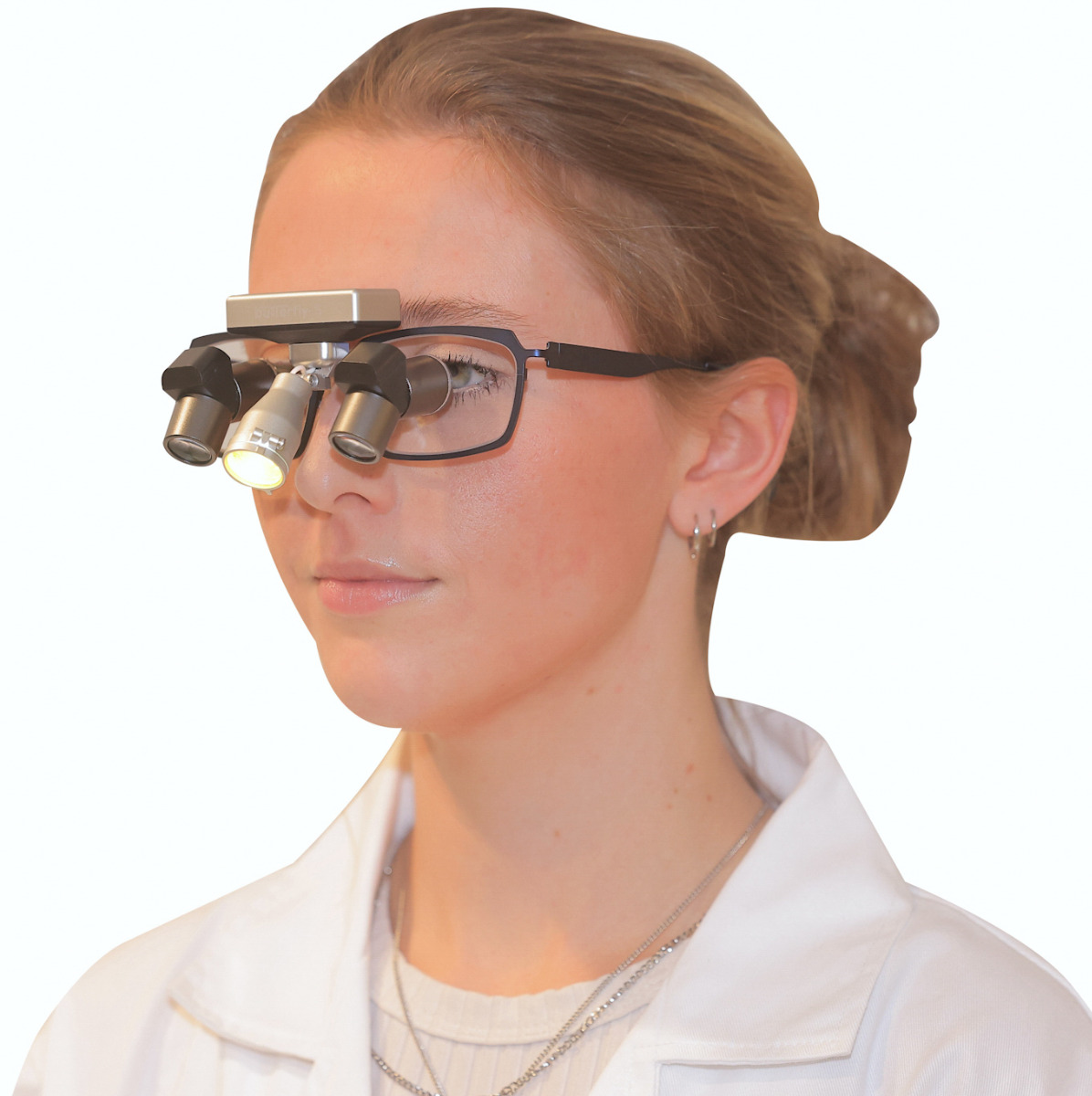
If you're new to the world of magnification tools in dentistry, choosing the right pair of dental loupes can feel overwhelming. With dozens of options, price points, and technical specifications, it’s easy to feel unsure about where to begin. This first-time buyer guide for dental loupes is designed to help you understand the essentials before you make your first investment.
What Are Dental Loupes and Why Do You Need Them?
Dental loupes are magnifying tools typically mounted on glasses or headbands that allow dental professionals to see small details more clearly. They enhance visual acuity, reduce eye strain, and promote a healthier working posture. By improving visibility during procedures, loupes enable better diagnostics and more precise work. Whether you’re cleaning teeth, diagnosing decay, or placing restorations, dental loupes help you see what unaided eyes often miss.
Postural benefits are also a major draw. Many clinicians report significantly reduced neck and back strain after transitioning to loupes, especially when paired with the correct working distance. This makes them not only a tool for better work, but for longer, more sustainable careers.
Types of Dental Loupes
There are two major categories:
- Galilean Loupes – These are compact, lightweight, and offer magnification between 2.0x and 3.5x. They provide a wide field of view and are ideal for general use and for beginners. Because they are easier to adapt to, they’re often recommended for dental students and new professionals.
- Prismatic (Keplerian) Loupes – These offer higher magnification (up to 6.0x) and improved optical clarity, but with a narrower field of view. They’re heavier and more expensive but allow for incredibly detailed visualization, making them suitable for advanced users and specialists.
Some advanced users eventually graduate from Galilean to Prismatic loupes, but starting small is usually the best path for comfort and learning.
Key Features to Evaluate
Several features make a big difference in how useful and comfortable your dental loupes will be. These are the main ones to evaluate before making a decision:
1. Magnification Power
Most beginners start with 2.5x or 3.0x magnification. These levels provide ample detail without making it hard to locate or follow the area you’re working on. Jumping to 4.0x or higher too soon can be disorienting and limit your field of view, which can increase fatigue and frustration.
2. Working Distance
This is the distance from your eyes to the treatment area. It’s usually determined by your height and seating posture. A working distance that’s too short forces you to hunch, while one that’s too long leads to blurry vision. Reputable vendors often provide consultations to measure your exact working distance.
3. Field of View
The field of view is the area you can see clearly while wearing your loupes. A wider field makes it easier to navigate the oral cavity without constantly moving your head. This is particularly important for long procedures or full-mouth assessments.
4. Depth of Field
Depth of field refers to how much vertical space remains in focus at a given magnification. A deep field allows you to lean slightly or shift positions while still maintaining visual clarity. This reduces the need to stay perfectly still, improving your comfort during long procedures.
5. Frame Fit and Weight
Comfort matters. Lightweight, durable frames reduce the risk of neck strain and headaches. Look for materials like titanium or carbon fibre. Adjustable features—such as temple length, nose pads, and pantoscopic tilt—can dramatically improve fit.
6. Illumination Options
Lighting isn't always included with basic loupes, but it’s a powerful addition. LED headlights offer direct illumination of the treatment site and are especially helpful for shadowed areas or posterior work. Some systems include rechargeable battery packs or wireless options for added convenience.
TTL vs. Flip-Up vs. Custom Loupes
- Through-the-Lens (TTL) loupes have optics embedded directly in the frame. They are typically lighter and better balanced than other designs, which improves ergonomics.
- Flip-Up Loupes have optics that can be flipped out of the line of sight when not in use. They are bulkier but adjustable, which can be helpful when sharing or adapting to different procedures.
- Custom TTL Loupes are designed based on your exact measurements—pupillary distance, working distance, and head tilt—delivering optimal optical performance and comfort.
TTL models are generally preferred by clinicians looking for consistency and long-term use, while flip-ups may appeal to those who want adjustability or are unsure about committing to a fixed setup.
Cost and Value
Dental loupes can range from a few hundred to several thousand dollars. At the same time, it might be tempting to go with the cheapest option, but quality matters. Inferior optics or poor fit can lead to discomfort, eye fatigue, and even chronic musculoskeletal issues over time.
Budget models often lack durability, optical precision, and customization. Investing in a reliable pair from a reputable company can save you money and pain in the long run.
Testing Loupes Before You Buy
Try-before-you-buy is a smart move. Some companies offer demo units or come to dental schools to provide fitting and testing sessions. Spend at least 15–30 minutes using the loupes to gauge comfort and visual clarity. Move around, simulate common procedures, and note how your body feels after using them.
Don’t forget to simulate your clinical posture during the test. If your back is still curved or your head feels pulled forward, something may be off with your fit or working distance.
Warranty and After-Sale Support
A good warranty is more than a nice-to-have—it’s essential. Loupes are precision tools, and even a small misalignment can degrade your visual performance. Ensure the company offers repairs, tune-ups, and lens adjustments. Easy access to service makes a big difference in keeping your equipment functional.
Some providers offer periodic check-ins, on-site service visits, or adjustment guides. These perks become especially valuable as your needs evolve.
Watch Out for These Red Flags
Avoid models or vendors that:
- Offer no custom fitting services
- Don’t clearly list specifications
- Have limited or poor customer reviews
- Feature unclear warranty or return policies
- Are priced well below market with no reputation
Quick Reference: What First-Time Buyers Should Focus On
- Choose 2.5x or 3.0x magnification to start
- Measure and match your working distance accurately
- Go for lightweight, adjustable frames
- Look for a wide field of view and a strong depth of field
- Consider adding lighting to boost visibility
- Stick with reputable companies that offer fitting, support, and warranty
Final Thoughts
Dental loupes are an investment in your long-term career health and performance. Choosing the right pair isn’t just about magnification—it’s about clarity, comfort and ergonomics. As a first-time buyer, take your time, do the research, and don’t settle for the cheapest option.
Ready to make the smart choice? Visit Schultz Loupes to explore high-quality, customizable dental loupes backed by expert support and trusted by dental professionals nationwide.