

Surgical Headlights for Dental, ENT & General Surgery: What’s the Difference?
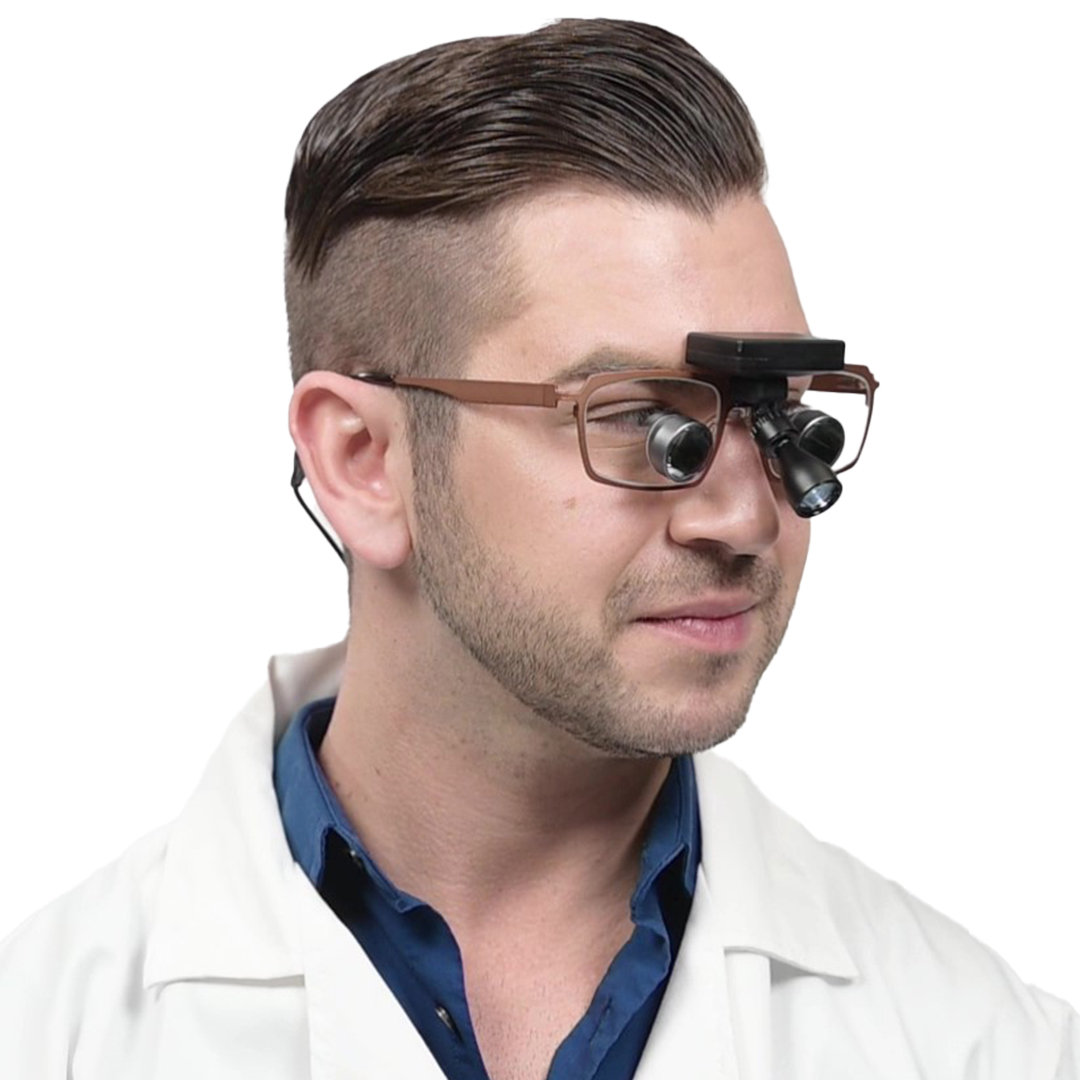
Surgical headlights play a critical role in operating rooms, dental offices, and outpatient clinics. They ensure consistent, shadow-free illumination directly at the point of care. But not all headlights are created equal. Depending on the procedure and specialty, the ideal lighting solution can vary.
In this article, we break down the differences between surgical headlights used in dental, ENT (ear, nose, and throat), and general surgery applications, helping you make informed decisions when choosing the right surgical headlight.
The Role of Surgical Lighting for Precision Procedures
In every surgical discipline, visibility is everything. Surgical lighting for precision procedures must deliver focused, high-intensity light without glare or heat. It must also accommodate the surgeon’s movements and maintain consistent illumination of deep cavities or narrow anatomical structures.
The goal across specialties is the same: improve outcomes by enhancing visibility. But what that looks like in practice depends on the demands of each field. A dental practitioner working inside the oral cavity has vastly different lighting needs than an ENT specialist navigating the sinus passage, or a general surgeon managing an abdominal incision.
Surgical Headlights in Dentistry
Use Case:
Dentists rely on surgical headlights for procedures involving the oral cavity, often working in confined spaces with limited natural light. Overhead lights can cast shadows or fail to illuminate angles clearly. Head-mounted lighting ensures uniform illumination, especially during restorative work, extractions, and implant placement. It enhances visual clarity and allows dentists to operate with greater speed and precision.
Key Features:
- Compact Design: Dental headlights are typically lightweight and designed for comfort over long periods.
- Color Temperature: A daylight-balanced beam (typically 5500K to 6000K) allows dentists to distinguish between subtle color differences in teeth and tissues.
- Beam Control: Narrow, adjustable beams help focus light precisely within the mouth, minimizing scatter and patient discomfort.
Special Considerations:
Dentists often pair headlights with loupes for magnification, so the lighting system must be compatible and easily adjustable without interrupting workflow. A well-integrated loupe-light combination boosts both accuracy and comfort.
Surgical Headlights in ENT Procedures
Use Case:
ENT specialists need high-intensity lighting to inspect and operate on the ear canal, nasal passages, and throat—areas that are small, deep, and often curved. These procedures demand a combination of mobility, focus, and precision, especially when visualizing delicate tissues and avoiding critical anatomical structures.
Key Features:
- Superior Brightness: ENT procedures require bright, consistent lighting that penetrates tight or obstructed spaces. Bright light is critical for identifying inflammation, abnormalities, or obstructions.
- Long-Range Focus: A deeper depth of field allows clear visualization of structures located several inches away, helping surgeons maintain spatial awareness and depth perception.
- Minimal Heat: Thermal management is vital to prevent tissue drying or surgeon discomfort during prolonged use, especially in endoscopic procedures.
Special Considerations:
Headlights for ENT must integrate well with endoscopic systems and often work in tandem with imaging tools. Adjustable positioning, modular designs, and easy controls are essential for seamless coordination. Often, ENT surgeons require headlamps that allow hands-free toggling between wide and narrow beams.
Surgical Headlights in General Surgery
Use Case:
General surgeons need versatility. Procedures can range from superficial skin excisions to complex intra-abdominal surgeries. While overhead lighting is standard in ORs, shadows from surgical teams or instruments can obscure critical areas. Surgical headlights provide direct, adjustable illumination exactly where it’s needed—eliminating guesswork and improving workflow efficiency.
Key Features:
- Variable Intensity: General surgery demands adaptable brightness levels to match different tissue depths, surgical environments, and patient conditions.
- Wide Beam Options: Broader beam diameters illuminate larger fields for open surgeries, particularly helpful in trauma or exploratory operations.
- Battery Life: Extended runtime supports lengthy operations without interruption. Swappable battery packs ensure continuous illumination during multi-hour procedures.
Special Considerations:
Comfort and balance are critical. Headlights must remain stable and ergonomic over multi-hour surgeries. Modular options (e.g., clip-on or integrated lights) can support changing surgical needs.
Key Differences by Specialty
|
Feature |
Dental |
ENT |
General Surgery |
|
Beam Size |
Narrow, adjustable |
Medium, long-range |
Wide, customizable |
|
Brightness |
Moderate |
High |
Variable |
|
Weight |
Ultra-lightweight |
Lightweight |
Balanced for comfort |
|
Color Accuracy |
Very high (color matching) |
High |
High |
|
Typical Duration |
30-90 minutes |
1-3 hours |
Up to 6+ hours |
|
Compatibility |
Dental loupes |
Endoscopes |
Surgical eyewear/loupes |
Understanding these differences helps guide your decision when choosing the right surgical headlight for your practice or institution.
Universal Requirements Across Specialties
Despite specialty-specific needs, all surgical headlights should meet certain standards:
- High CRI (Color Rendering Index): Ensures natural tissue tones are visible for accurate identification and differentiation.
- Consistent Illumination: No hot spots, uneven distribution, or flickering that could disrupt the surgical process.
- Hands-Free Operation: Allows surgeons to focus entirely on the procedure without having to reposition lighting manually.
- Durability and Hygiene: Built with medical-grade materials that withstand regular disinfection and resist wear in demanding environments.
- Rechargeable or Long-Life Batteries: Reduces downtime during busy surgical days and supports uninterrupted workflows.
- These features aren’t just technical specs—they impact patient safety, surgical accuracy, and practitioner comfort.
What to Look for When Choosing the Right Surgical Headlight
Before investing in surgical lighting for precision procedures, consider the following:
- Your Specialty: Start by identifying your specific use cases and how frequently you’ll need head-mounted lighting.
- Lighting Specs: Pay attention to lumens, beam diameter, focus adjustability, and color temperature.
- Ergonomics: Comfort matters. The headlight should fit well, balance weight evenly, and not cause fatigue.
- Compatibility: If you use loupes or imaging tools, make sure your light system integrates smoothly.
- Power Source: Battery-powered headlights offer mobility, but check battery life and recharge times.
A quality headlight is an investment in surgical accuracy and patient safety. Cutting corners on lighting can lead to poor visibility, longer procedures, and even avoidable mistakes.
Final Thoughts
The differences between surgical headlights for dental, ENT, and general surgery may seem subtle, but they reflect the nuanced demands of each field. Whether you’re focusing on a molar, inspecting a nasal cavity, or operating in the abdomen, the right lighting tool can make all the difference.
For top-tier surgical lighting that meets the highest clinical standards, consider Schultz Loupes. Their range of surgical headlights is designed with precision, comfort, and reliability in mind—ideal for dental professionals, ENT specialists, and general surgeons alike.
Invest in better visibility. Choose Schultz.