

ROI of Dental Loupes: Do They Really Pay Off for Your Practice?
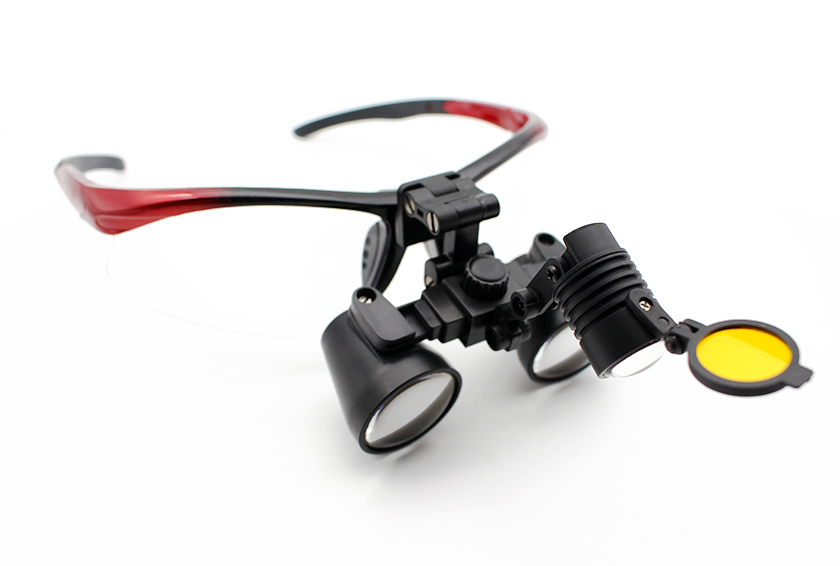
Dentists often weigh the value of every piece of equipment before making a purchase. One of the most debated tools is the dental loupes. These magnification devices promise better visibility, improved posture, and enhanced precision. But the real question is financial: do they deliver measurable returns? When assessing the ROI of dental loupes, it is important to look at both tangible and intangible benefits.
This article breaks down how loupes impact performance, efficiency, patient care, and ultimately revenue. If you have been asking yourself Are dental loupes worth it, the following cost vs benefit analysis should help you make an informed decision.
The Initial Investment: Understanding the Costs
High-quality dental loupes are not cheap. Depending on brand, magnification power, and customization, prices can range anywhere from $500 to over $2,000. Some advanced models with built-in lighting systems may push the cost even higher. For a practice that has multiple providers, this adds up quickly.
When evaluating the cost vs benefit of dental loupes, it is critical to treat the purchase not as a luxury but as an investment. Like any other dental practice equipment ROI assessment, the upfront expense is only the beginning of the story. A quality pair of loupes can last years if properly maintained, making the annualized cost lower than it first appears. This long-term perspective is crucial when comparing price to value.
Efficiency Gains in Daily Procedures
One of the most overlooked benefits of dental loupes is efficiency. Improved visibility shortens procedure times because less effort is spent on fine adjustments or repositioning. For example, restorative procedures such as fillings, crown preps, and endodontics often demand meticulous precision. With magnification, these tasks are completed faster and with fewer mistakes.
Over the course of a week, saving even 10 to 15 minutes per procedure can add up to hours of regained productivity. This means more patients can be scheduled without increasing working hours. Viewed through the lens of dental loupes ROI, this translates directly into increased revenue. Even small efficiency gains multiply when spread across multiple providers and thousands of procedures each year.
Impact on Clinical Accuracy and Quality of Care
Dental errors are costly. A small mistake in margin preparation or a missed crack in a tooth can result in repeat visits, dissatisfied patients, or costly remakes of lab work. Dental loupes reduce these risks by providing clear magnification of the treatment area.
Fewer errors mean higher patient satisfaction. Word-of-mouth referrals grow when patients feel confident in the accuracy of their care. Long-term, this strengthens the reputation of the practice and brings in new patients at no additional marketing expense. From a financial standpoint, this is a major advantage when evaluating dental practice equipment ROI. In competitive markets, consistently delivering precise care can also differentiate your practice from others who may not invest in the same level of technology.
Posture and Long-Term Health Benefits
Another aspect of the cost vs benefit of dental loupes lies outside direct financial numbers but still impacts ROI significantly: practitioner health. Poor posture is one of the leading causes of musculoskeletal disorders among dentists. Without loupes, many clinicians lean forward, straining their neck and back for hours each day.
Over time, this leads to fatigue, chronic pain, and even shortened careers. By promoting an upright working posture, loupes can reduce the risk of costly medical bills, lost productivity due to sick days, or even early retirement. While harder to quantify, these benefits strongly support the case that dental loupes are worth it. Dentists who work pain-free are also more focused and more consistent, which improves both clinical outcomes and business sustainability.
Training and Onboarding Advantages
For new associates or dental students entering private practice, loupes can shorten the learning curve. Enhanced visibility allows them to develop precision skills more quickly, which leads to faster integration into productive schedules. Practices that invest in equipping new team members with dental loupes often see better long-term returns from their staff.
From a business perspective, this improves the ROI of dental loupes by turning training costs into productive results more quickly. New clinicians gain confidence when they can see more clearly, and this translates into fewer errors and smoother workflows. Over time, a more efficient and confident team strengthens the entire practice.
Patient Perception and Trust
Patients may not fully understand magnification technology, but they notice when a dentist uses professional-grade equipment. The presence of loupes signals attention to detail and a commitment to quality care. Subtle as it may be, this builds patient trust.
Trust influences treatment acceptance. When patients believe in a dentist’s thoroughness, they are more likely to accept recommended procedures. Increased case acceptance directly improves production numbers and boosts dental practice equipment ROI.
Crunching the Numbers: Practical ROI Example
Let’s assume a dentist invests $1,500 in a pair of loupes. By saving 10 minutes per procedure and seeing just one additional patient per day, the practice could generate $250 to $400 in added daily revenue. Within a few weeks, the loupes essentially pay for themselves.
Now add the long-term benefits of reduced remakes, improved referrals, and lower health-related downtime. The return is not only measurable but often far greater than anticipated. This simple exercise shows that when asking are dental loupes are worth it, the financial evidence points strongly toward yes.
Balancing Cost and Quality
Not all dental loupes are created equal. Cheap models may seem attractive, but they can compromise clarity, comfort, and durability. Poorly fitted loupes may even worsen posture instead of improving it. When evaluating options, dentists should prioritize optical quality, ergonomic fit, and reliability over price alone.
Remember, the goal is to maximize dental loupes' ROI. Investing in the right pair ensures long-term benefits that outweigh the initial expense.
Conclusion: Do Dental Loupes Really Pay Off?
The numbers and long-term benefits speak for themselves. Dental loupes improve efficiency, precision, posture, and patient trust. Each of these factors contributes to tangible and intangible returns that go far beyond the purchase price. When viewed as part of a broader dental practice equipment ROI strategy, loupes are among the most cost-effective tools a dentist can buy.
If you are ready to experience these benefits in your own practice, consider investing in high-quality, reliable loupes. Schultz Loupes offers precision-engineered solutions designed for comfort, clarity, and long-term durability. Explore their range today and take a step toward higher productivity and better patient care.