

Motion-adaptive Surgical Headlights: The Future of Hands-free Light Targeting in Dentistry
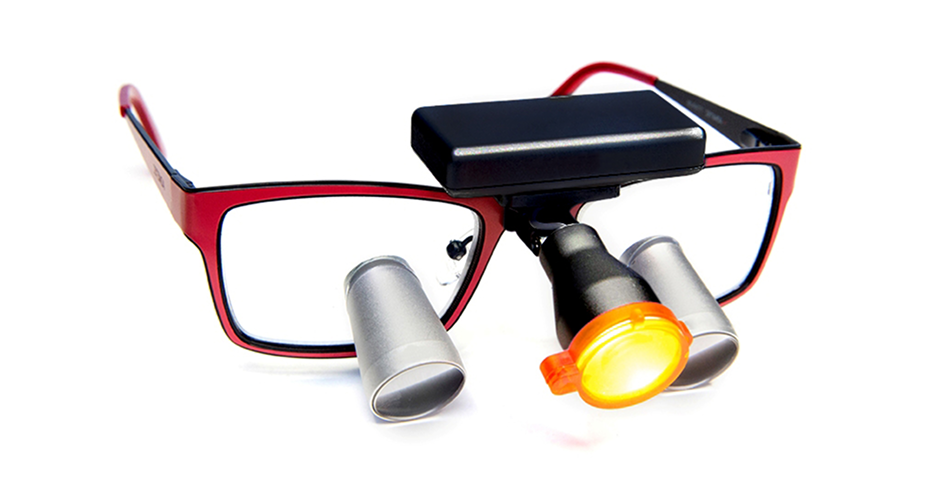
Modern dentistry depends on precision, consistency, and efficiency. While materials, imaging, and instruments have evolved rapidly, clinical lighting has often been slower to change. Many dentists still rely on systems that require frequent adjustment or compromise illumination accuracy as the operator moves. This gap between clinical need and lighting performance is where motion-adaptive surgical headlights are redefining expectations.
Dentists no longer work in fixed postures. Every procedure involves subtle head movements to improve access, visibility, and ergonomics. Lighting that fails to move with the clinician introduces unnecessary friction. Motion-adaptive systems offer hands-free light targeting that follows the dentist’s natural line of sight, allowing uninterrupted focus on patient care. Schultz Loupes has recognized this shift and continues to invest in intelligent illumination solutions built for real clinical workflows.
Why Static Headlights Cause Limitations
Static headlights assume the operator will remain still, an assumption that does not align with daily dental practice. Clinicians constantly adjust their head position to visualize margins, access posterior regions, or refine hand positioning. Even a high-quality LED surgical headlight can become inefficient if the beam does not adapt to these movements.
As dentistry moves toward more precise, minimally invasive treatments, the shortcomings of fixed illumination become more apparent. Dentists exploring their options often start by reviewing the different types of surgical headlights available, quickly realizing that static beam designs limit both efficiency and comfort over time.
The Problem with Fixed-Beam LED Surgical Headlights
Despite their brightness and efficiency, fixed-beam systems introduce recurring challenges in clinical environments:
-
Beam drift: Minor head movements cause the light to shift away from the treatment field.
-
Shadow shifts: Changes in angle create inconsistent shadows that obscure fine anatomical details.
-
Difficulty during angled procedures: Tasks involving posterior teeth, deep cavities, or surgical access require head positions that fixed beams cannot support.
These issues do not reflect poor build quality but rather outdated design assumptions. As a result, many clinicians begin seeking advanced surgical headlights that can respond dynamically to real-world movement instead of forcing dentists to adapt their posture around the light.
What Is Motion-Adaptive Light Technology?
Motion-adaptive lighting systems use integrated intelligence to maintain beam alignment automatically. Instead of locking illumination in a single direction, these systems adjust continuously based on the clinician's movement.
Key components include:
-
Gyroscopic sensors that detect subtle head movements
-
Real-time motion tracking that updates beam direction instantly
-
Head-orientation awareness systems that keep light aligned with the visual axis
Dentists who spend time comparing surgical headlights often find that motion-adaptive designs resolve many frustrations associated with static systems, particularly during longer or more complex procedures.
How Motion-Adaptive Headlights Work
At the core of motion-adaptive systems is a compact processing unit that manages beam alignment without adding noticeable weight or bulk.
-
Microprocessors adjusting beam direction: Sensor data is analyzed in real time to maintain precise illumination.
-
Distance-sensing autofocus: The beam remains sharp and evenly distributed as the working distance changes.
-
Adaptive beam width algorithms: Light coverage expands or narrows depending on the clinical task, reducing glare while maintaining visibility.
These features build on the established advantages of LED technology. Dentists familiar with performance differences discussed in LED vs halogen surgical headlights will recognize how motion-adaptive systems extend the benefits of LEDs beyond brightness and energy efficiency.
Clinical Scenarios Where This Technology Matters
Motion-adaptive motion-sensing dental headlights provide measurable benefits across a wide range of procedures:
-
Endodontics: Stable illumination within narrow canals without repeated adjustment.
-
Deep cavity preparation: Consistent lighting in posterior regions where access angles constantly change.
-
Oral surgery: Improved visibility during extractions, implant placement, and surgical exposure.
-
Microscopic procedures: Reliable beam alignment when working with magnification and fine instruments.
Dentists who have transitioned away from overhead lamps often report similar advantages, as highlighted in discussions around how dental headlights have replaced overhead lighting in modern operatories.
Benefits for Dentists
No Need for Manual Repositioning
Hands-free beam alignment allows clinicians to maintain momentum throughout procedures. Reduced interruptions improve efficiency and patient experience.
Better Accuracy
When illumination stays centered on the treatment field, margins, textures, and fine anatomical details remain clearly visible.
Eliminates Shadowing
Dynamic beam adjustment minimizes shadows created by hand instruments, assistants, or posture changes.
Reduces Operator Fatigue
Natural head movement without constant adjustment helps reduce strain on the neck, shoulders, and upper back during long clinical days.
When selecting surgical headlights, dentists must also consider compatible eye protection. Properly fitted prescription eyewear ensures clarity without interfering with illumination. Solutions such as surgical headlights paired with prescription safety glasses help maintain visual accuracy, comfort, and safety throughout extended procedures.
What the Next 5 Years of Surgical Headlight Innovation Will Look Like
Motion-adaptive lighting represents an early stage in a broader evolution of clinical illumination. Several advancements are already shaping what comes next.
AI beam prediction
Future systems will learn individual movement patterns and anticipate beam positioning before the head fully moves.
Voice-controlled illumination
Dentists may soon adjust brightness, beam width, or focus using simple voice commands.
Environment-aware lighting
Sensors will adapt output based on ambient light levels, reflective surfaces, and operatory conditions.
These innovations align with ongoing research into illumination quality and efficiency, reinforcing the growing role of intelligent lighting in modern dental care.
Why Schultz Loupes Is Leading the Shift
Schultz Loupes focuses on illumination systems that support real clinical demands. Their approach to advanced surgical headlights emphasizes precision, balance, and long-term usability rather than unnecessary complexity. Motion-adaptive designs reflect a deep understanding of dental ergonomics and procedural flow.
As dentistry continues to evolve, lighting systems must do more than provide brightness. They must reduce fatigue, improve accuracy, and adapt seamlessly to the clinician’s movements. Motion-adaptive surgical headlights represent a practical and forward-looking solution, and Schultz Loupes remains the trusted destination for dentists seeking the future of hands-free light targeting.