

The Alignment Gap: Why 80% of Dentists Wear Loupes Incorrectly Even When They’re Ergonomic
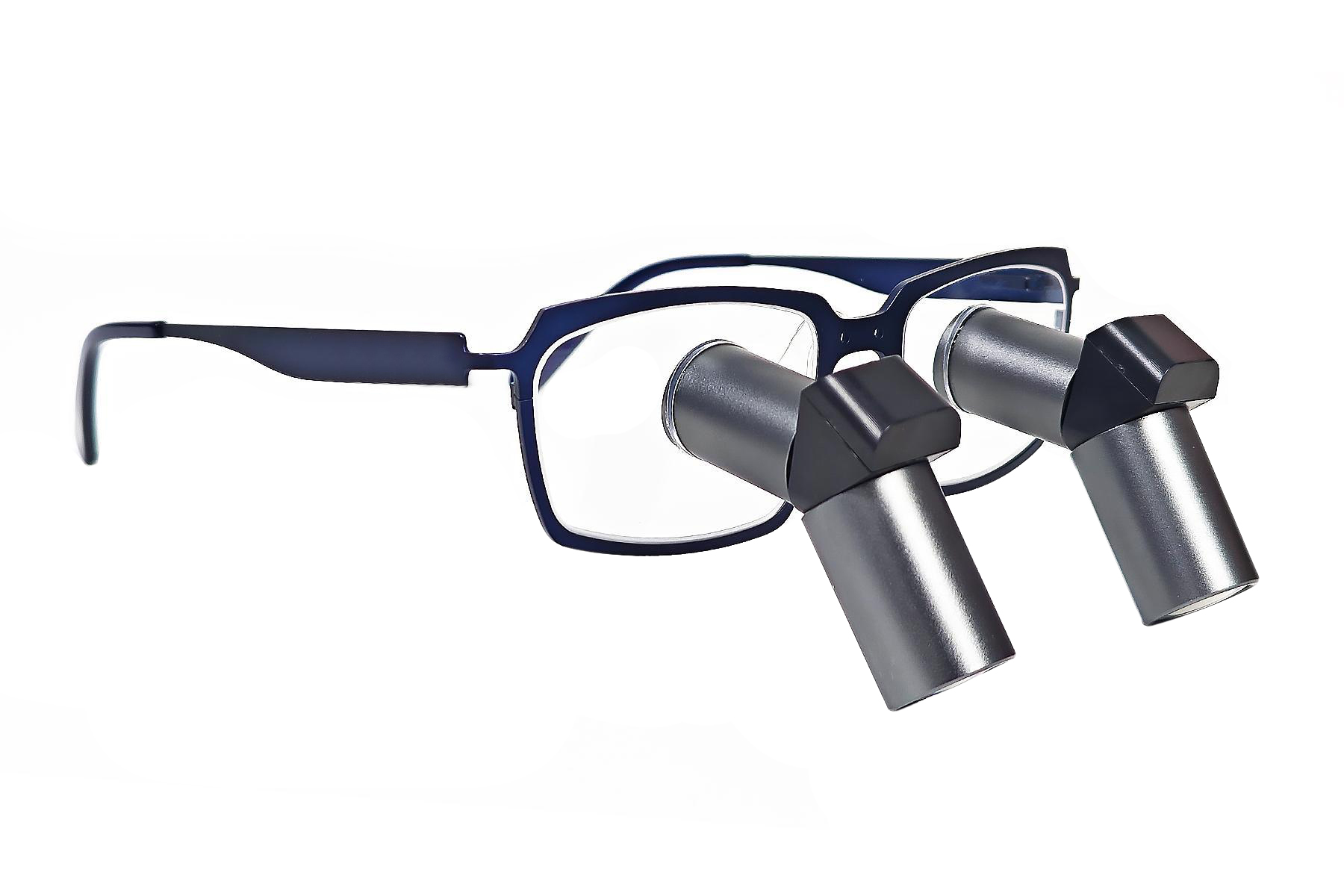
Many dentists invest in ergonomic dental loupes early in their careers because they want better posture, less strain, and clearer visibility. The assumption is simple. If the loupes are ergonomic, posture should improve automatically. This belief is so common that most clinicians never question it.
The real problem is not the product. It is an incorrect alignment. Even well-designed ergonomic dentist loupes cannot protect your neck and back if they are worn in a position that shifts your natural head posture. This alignment gap is the reason many dentists still experience discomfort despite buying premium equipment.
This issue shows up often in training resources such as Tips for Wearing Ergonomic Loupes, which emphasize that proper fit is not optional. It is a requirement for true ergonomic benefit.
What “Alignment Gap” Means in Dentistry
The alignment gap is the difference between ergonomic design and ergonomic usage. A loupe may have the correct angle, working distance, and optics, but if it sits even slightly out of position, your body absorbs the strain. This is why two dentists with the same loupes can have completely different posture outcomes.
A small misalignment of only 5 degrees can increase the neck flexion angle by 20 to 30 degrees. That change adds significant load to the cervical spine. Over the course of a full day of procedures, that extra pressure becomes noticeable soreness. Over a career, it becomes chronic pain.
Most dentists do not detect these micro tilts. They are subtle and develop gradually during treatment. These tiny compensations are the main reason many of the advantages seen in comparisons like Ergonomic Loupes vs Traditional Loupes are not always realized in practice. The tool is effective, but only when used with consistent alignment.
The 6 Most Common Loupes Alignment Errors
1. Wrong working distance estimation
If the working distance is too short or too long, your head will move forward or backward to reach the focal point. This causes immediate strain on the neck and upper back.
2. Incorrect declination angle
A shallow angle forces you to bend your neck downward. A steep angle tilts your head backward. Both positions break the neutral posture and lead to fatigue.
3. Misplaced nose bridge height
The nose bridge controls the optical center. If it sits too high, you raise your chin to see. If too low, you drop your head. Both create unnecessary stress.
4. Frame tilt mismatch
If the frame tilt does not match the natural angle of your face, the optics will never align properly. You will unconsciously shift your posture to compensate.
5. Wearing the loupes too high or too low
Small vertical shifts change the downward viewing angle and force your neck to adjust. Even a few millimeters can influence posture.
6. Inconsistent positioning between procedures
Dentists often shift their loupes throughout the day without realizing it. This inconsistency produces cumulative micro strain that shows up as end-of-day fatigue.
The Science Behind Proper Loupe Positioning
-
Cervical spine biomechanics
The head is designed to sit directly over the shoulders. Every degree of forward tilt adds more pressure to the cervical discs. This increase is exponential, not linear, which means small positional mistakes create large amounts of stress.
-
Eye hand head coordination
Your eyes guide your hands, and your head adjusts to keep the eyes stable. If the optical field is misaligned, your body shifts until your hands and eyes feel coordinated. This shift often leads to poor posture even when you think you are standing upright.
-
Stability vs magnification balance
Higher magnification needs precise alignment. If the optical path is slightly off, your neck and shoulders correct. Over time, these micro corrections become chronic strain patterns.
How Incorrect Alignment Affects Long Term Health
Neck compression
Forward head posture compresses the cervical discs and increases muscle tension. This is one of the earliest signs that loupes are not aligned correctly.
Shoulder elevation fatigue
When optics do not match the natural visual path, dentists raise their shoulders slightly to center the view. This creates fatigue in the upper trapezius and surrounding muscles.
Early musculoskeletal degeneration
Chronic misalignment accelerates wear on joints, muscles, and soft tissue. Over the years, this may lead to persistent discomfort, disc issues, and reduced working endurance. These risks are described further in How Ergonomics and Dental Loupes Prevent Neck and Back Pain.
How to Perform a 3 Point Alignment Check
1. Declination angle test
Sit in a natural, upright posture. Look through your loupes without bending your neck. If you cannot see your working field clearly, the declination angle needs adjusting.
2. Working distance posture check
Shift to your preferred working distance. If your body leans forward to focus, the working distance is set incorrectly. This often explains why dentists slowly lose neutral posture over the day.
3. Visual field mapping
Move your eyes across the field. Your head should stay still. If your head shifts even slightly to maintain clarity, the optical center is off, and alignment needs correction.
How to Correct the Alignment Gap in 5 Minutes
Home technique
Set up a table and chair as if you are treating a patient. Wear your loupes, sit upright, and have someone take a side profile photo. If your neck is flexed, adjust frame height or nose bridge placement until your posture is neutral.
Clinic mirror method
Stand in front of a mirror wearing your loupes. Keep your posture tall and look straight ahead. You should be able to see downward into your workspace without bending your neck. If not, your declination angle is not aligned.
Assistant aided alignment
Ask a colleague or assistant to observe you while you simulate a normal procedure. They can spot small tilts or shifts that you may not detect. This quick check is one of the easiest ways to maintain consistency throughout the day.
With practice, these techniques help reinforce the habits shown in training resources like Tips for Wearing Ergonomic Loupes and prevent gradual drift into unhealthy posture.
Conclusion
The alignment gap is a silent but significant factor in dental ergonomics. Even the best ergonomic dentist loupes cannot protect your posture if they are worn out of alignment. A few minutes of structured checking each day can prevent strain, protect your cervical spine, and support long-term comfort.
If you want ergonomic loupes that make accurate positioning easier from the start, explore Schultz Loupes, known for precision angles, reliable optics, and user friendly adjustments. Visit Schultz Loupes to find loupes that support your posture and your practice.