

Why Every Dental Hygienist Should Be Using Hygienist Loupes?
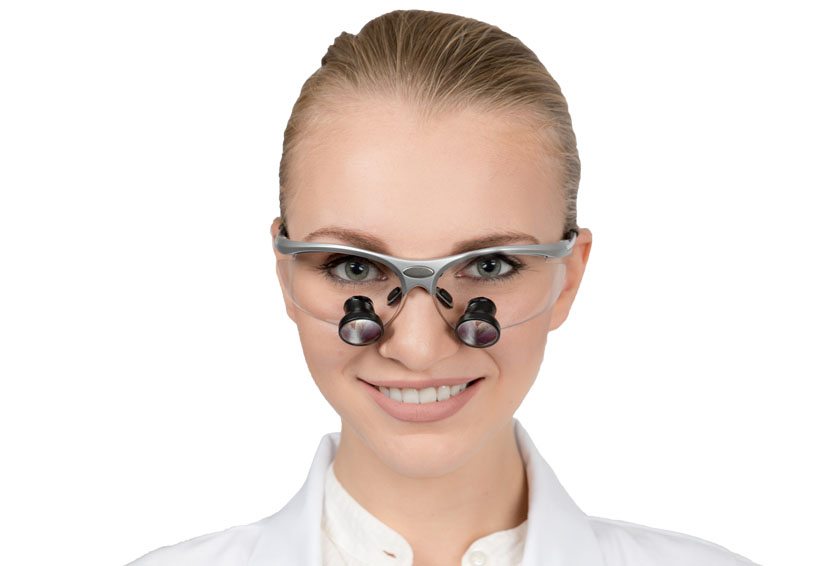
Dental hygiene is precise, demanding, and often physically taxing work. Whether you're scaling teeth, assessing periodontal pockets, or performing oral cancer screenings, accuracy matters. So does posture. Yet, despite advancements in clinical tools and ergonomic solutions, many hygienists still practice without the one device that could significantly improve their comfort and performance: hygienist loupes.
In this article, we break down why dental hygienists need loupes, what benefits they offer, and why adopting them is no longer optional for modern professionals. From sharper vision to reduced strain, the reasons to use loupes as a dental hygienist are backed by clinical research, real-world experience, and common sense.
Enhanced Visualization: Seeing More, Doing Better
Dental hygienist loupes provide magnification that allows practitioners to see oral structures more clearly and in greater detail. This is especially valuable during scaling and root planning, where visual clarity directly affects the quality of care. With enhanced magnification, hygienists can spot calculus deposits, tissue inflammation, early carious lesions, and other issues that may be missed with the naked eye.
High-quality loupes also improve lighting when paired with a headlight, illuminating areas that are otherwise shadowed by the patient’s lips, tongue, or cheeks. This added visibility is particularly helpful in patients with difficult anatomy or limited mouth opening. Better visualization means fewer errors, more efficient appointments, and more accurate charting, contributing to a higher standard of care.
Some loupes even allow for interchangeable magnification levels, making it possible to fine-tune your field of view based on the procedure. This flexibility leads to better diagnostics and cleaner outcomes across all patient types.
Ergonomic Health: Preventing Career-Limiting Injuries
One of the most overlooked reasons to use loupes as a dental hygienist is the ergonomic advantage. Many hygienists suffer from chronic neck, back, and shoulder pain due to prolonged periods of leaning over patients. Over time, these physical stresses can develop into musculoskeletal disorders, leading to missed work, expensive therapy, or even early retirement.
Hygienist loupes are designed to encourage a more upright working position. When properly fitted with the correct declination angle, loupes reduce the need to hunch forward or crane the neck, resulting in better spinal alignment. This means less strain, fewer injuries, and greater career longevity.
In fact, ergonomic studies have shown that hygienists using loupes report less discomfort and fatigue at the end of the workday. By minimizing repetitive strain, loupes support a healthier and more sustainable career.
Improved Patient Outcomes
When dental hygienists use loupes, they're able to detect problems earlier and with greater precision. Early identification of conditions like gingivitis, caries, cracks, demineralization, or oral lesions leads to more effective treatment planning and better outcomes for patients.
Being able to see micro details enables hygienists to perform more thorough cleanings and avoid missing key clinical signs. For example, subgingival calculus becomes much easier to identify and remove with magnification. These improvements translate to better periodontal maintenance and long-term oral health.
Patients also perceive a greater level of professionalism and confidence when their hygienist uses specialized tools. It sends the message that the clinician is committed to high standards, continuous learning, and modern practices. This trust can enhance patient satisfaction, compliance with treatment plans, and retention.
Boosted Efficiency and Productivity
Better vision translates to faster, more precise work. Tasks that used to require second checks or longer chair time can be completed more efficiently. This is particularly useful in high-volume practices or during back-to-back appointments.
Loupes can streamline procedures by reducing the number of instrument passes and unnecessary movements. Hygienists often find they can complete cleanings, exams, and documentation with greater accuracy and speed. Time saved on each patient adds up over a week, allowing practices to increase throughput without sacrificing care quality.
Additionally, fewer errors and less fatigue help hygienists maintain focus and consistency from the first patient of the day to the last. In a profession where burnout is common, tools that boost both speed and confidence are invaluable.
Adaptability Across Procedures
Whether you're working in pediatrics, geriatrics, periodontics, or general hygiene, dental hygienist loupes offer adaptable benefits. From routine cleanings to periodontal therapy, sealant placement, or assisting with exams, the improved clarity and posture provided by loupes support nearly every type of dental hygiene procedure.
Modern loupes come in a variety of styles, magnifications, and customization options. This allows each hygienist to find the fit and features that match their specific needs. Lightweight designs, flip-up lenses, and adjustable declination angles make loupes user-friendly for both new graduates and seasoned professionals alike.
Even mobile hygienists or those working in outreach settings benefit from the portability and reliability of well-designed loupes. When your environment changes, having a consistent visual aid can make a major difference.
Professional Development and Lifelong Learning
Using loupes can sharpen a hygienist's diagnostic skills, making it easier to pursue advanced certifications, specializations, or roles in academia and public health. As clinical demands evolve, tools that enhance precision and reduce physical wear become essential for staying competitive in the field.
In continuing education settings, loupes can also help hygienists absorb new techniques more effectively by offering a better view of demonstrations and procedures. When you see more, you learn more.
Loupes also sends a signal to peers and employers that you are invested in clinical excellence. Many dental practices prioritize hiring team members who use magnification, knowing it reflects a commitment to quality and professional growth.
Summary: Why Dental Hygienists Need Loupes
The list of reasons to use loupes as a dental hygienist is long and well-substantiated. Enhanced vision, better posture, improved patient care, and long-term career sustainability all point to one conclusion: hygienist loupes aren't just helpful—they're essential.
Here's a quick recap:
- Clearer Visualization: Spot and treat problems with greater precision.
- Ergonomic Support: Protect your body and extend your career.
- Higher Efficiency: Complete procedures more quickly and accurately.
- Better Outcomes: Detect early-stage issues that might otherwise be missed.
- Professional Credibility: Demonstrate commitment to top-tier care.
If you're a practicing hygienist and haven't yet made the switch, now is the time. Investing in a pair of high-quality loupes is an investment in your skillset, your body, and your patients.
Ready to Elevate Your Practice?
Thousands of professionals have already experienced the difference that dental hygienist loupes can make. At Schultz Loupes, you’ll find precision-engineered loupes designed specifically for dental hygienists. With ergonomic designs, customizable options, and unmatched optical clarity, Schultz Loupes can help you work smarter, safer, and more effectively.
Don’t settle for less. Invest in your performance, protection, and future with Schultz Loupes today.