

Dental Headlights vs. Overhead Lights: Which is Better?
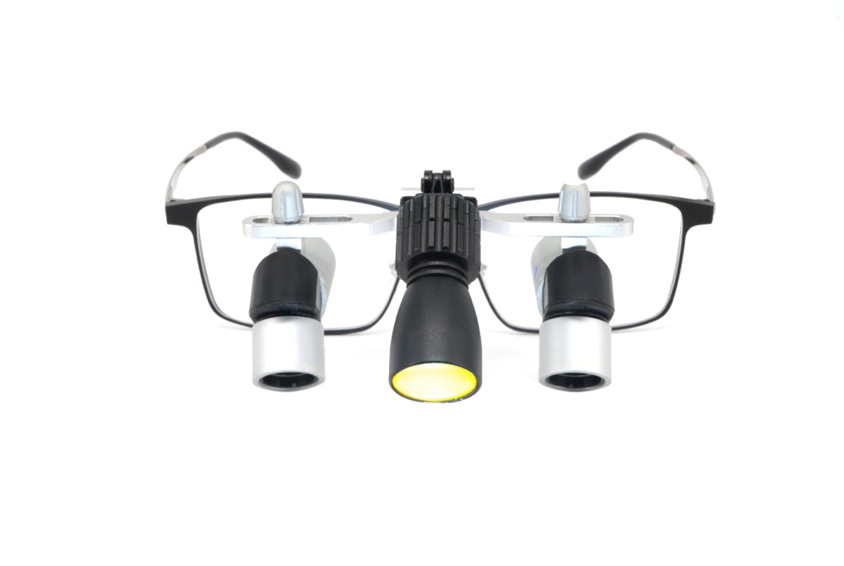
Lighting is one of the most overlooked but critical elements in dentistry. Clear visibility means better precision, improved efficiency, and fewer errors. But when it comes to choosing between dental headlights and overhead lights, many dental professionals wonder which offers the best value and performance in daily practice.
In this article, we’ll compare both lighting options in detail, looking at key factors like brightness, adjustability, ergonomics, and cost. Whether you’re evaluating your first purchase or upgrading your current setup, this comparison will help you decide what’s right for your practice.
What Are Dental Headlights?
Dental headlights are lightweight, high-intensity LED lights mounted directly on loupes or headbands. They focus a beam of light exactly where the clinician is looking. This targeted illumination removes the need to constantly adjust overhead fixtures or reposition the patient’s head, allowing for uninterrupted focus, better posture, and improved accuracy during procedures.
What Are Overhead Dental Lights?
Overhead lights are ceiling or chair-mounted fixtures that provide ambient or directional lighting. Most dental chairs come equipped with an overhead light, making it a standard fixture in most clinics. These lights are controlled manually and typically require the clinician to position the beam for each procedure.
Dental Headlights vs. Overhead Lights
Now, let’s break down how these two types of lights compare.
1. Precision and Brightness
Dental headlights offer highly concentrated, shadow-free illumination. The beam is centered wherever your eyes are focused, which minimizes guesswork during fine procedures. This level of precision is hard to match with an overhead light, which spreads light over a broader area and often casts shadows from your hands or tools.
Modern dental headlights use powerful LEDs with adjustable intensity. This makes them suitable for everything from general check-ups to more demanding surgical or endodontic procedures.
Overhead lights, while bright, don’t always offer consistent illumination. Shadows are common, and the need for manual repositioning disrupts workflow. They work adequately for basic exams but can become a limitation during detailed procedures.
2. Ergonomics and Posture
Ergonomics is another major factor. Many dentists suffer from neck, back, and shoulder strain caused by awkward body positioning. This often stems from trying to get a better view under a fixed overhead light.
With dental headlights, the light follows your line of sight. This means you can maintain a more natural, upright posture while working. There's less need to bend or twist just to get better visibility.
While overhead lights are adjustable, they require frequent manual tweaks. These interruptions and repositioning add time and often force clinicians into uncomfortable positions.
3. Infection Control and Hygiene
Touchless operation is key in a sterile environment. Dental headlights are typically hands-free once positioned. Many models even offer touchless controls or foot pedals to adjust brightness, reducing the risk of contamination.
Overhead lights are usually adjusted manually. Even with gloves, this increases the chance of cross-contamination—especially when switching between patients or procedures. Cleaning overhead light handles adds an extra step in operatory turnover.
4. Cost and Maintenance
Overhead lights are standard in most dental chairs and don’t require a separate investment. However, upgrading to a high-quality LED overhead light can cost several thousand dollars. They also have bulbs and parts that may need periodic replacement.
Dental headlights, while requiring an upfront investment, are relatively affordable compared to full lighting systems. A quality unit from a reputable brand can last years with minimal maintenance. Battery packs may need to be replaced eventually, but operational costs remain low—and unlike fixed lighting, they can move with you between operatories or clinics, adding flexibility and long-term value.
5. Workflow Efficiency
Time is money in a dental practice. Adjusting overhead lights takes time and breaks concentration, especially during complex procedures.
Dental headlights streamline workflow. There’s no need to stop and reposition lights. Wherever your head moves, the beam follows. This kind of fluidity leads to shorter chair times and smoother procedures, helping clinicians stay focused and maintain momentum throughout the day.
Overhead lights, by contrast, introduce minor delays throughout the day. They require constant repositioning and fine-tuning, which can be a cumulative drain on productivity—especially in high-volume practices.
6. Patient Comfort
Patients notice more than we think. Bright overhead lights shining directly into their eyes can be uncomfortable, especially during long procedures. They also create a more “clinical” feel, which may increase anxiety.
Dental headlights provide focused lighting that’s less intrusive to the patient. The beam is aimed into the oral cavity, not the entire face. This creates a calmer experience without sacrificing visibility and helps patients feel more at ease, making it easier to maintain trust and cooperation throughout the procedure.
7. Portability and Flexibility
One of the biggest advantages of dental headlights is portability. Whether you're working in multiple operatories or doing mobile dentistry, your lighting goes with you. This makes them ideal for multi-location practices or in-home care.
Overhead lights are fixed installations. If you’re working in a different room or traveling, they aren’t useful.
Additionally, having a backup source of light that isn’t dependent on the operatory setup adds a layer of reliability—especially during power outages or equipment failure.
So, Which Is Better?
The answer depends on your priorities. Overhead lights are fine for routine work and offer a consistent baseline. But if you want precision, comfort, and efficiency, dental headlights outperform in almost every category.
For clinicians focused on ergonomics, hygiene, and clinical accuracy, investing in the best dentist headlight can significantly improve day-to-day practice. The improved visibility not only enhances treatment outcomes but also reduces physical strain and increases long-term career sustainability—key benefits that make dental headlights a smart upgrade for most modern practices.
Conclusion: Invest in Better Visibility
Good lighting isn’t a luxury—it’s a clinical necessity. While overhead lights offer basic functionality, dental headlights provide a level of control and precision that modern dentistry demands. From reducing posture strain to speeding up procedures, they give you an edge where it counts.
If you're looking for reliability, clarity, and long-term comfort, explore some of the best dentist headlight options from Schultz Loupes. Their high-quality designs are trusted by dental professionals nationwide.